Check Engine Light Meaning | Auto Diagnostics Santee CA
Quick Answer: What Does the Check Engine Light Mean?
By Dean Sharpe, Owner of Sharpe Automotive – Santee, California
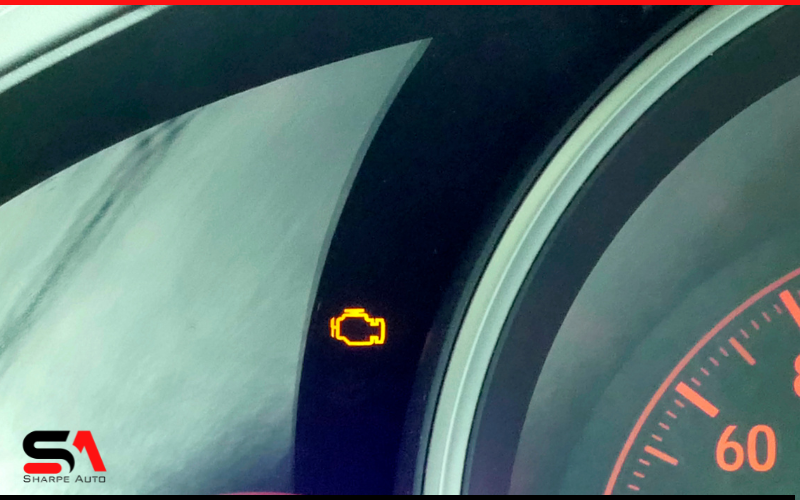
The check engine light is your vehicle’s way of alerting you that something in the engine or emissions system needs attention. The light may appear for many reasons, including:
- A loose or damaged gas cap
- Faulty oxygen sensors
- Catalytic converter issues
- Spark plug or ignition problems
- Mass airflow sensor failures
- Engine misfires or performance issues
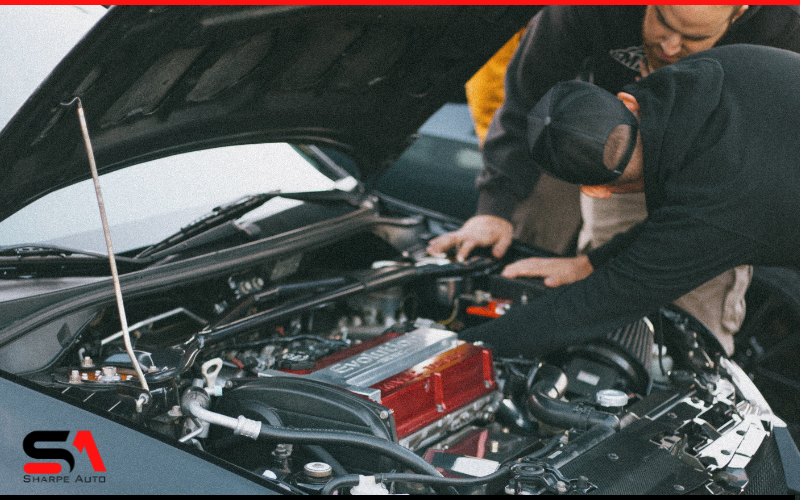
While some causes are minor, others can lead to serious engine damage if ignored. The safest step is to have your vehicle inspected using check engine diagnostics in Santee so the problem can be accurately identified.
Why the Check Engine Light Exists
Modern vehicles are equipped with advanced onboard computers that monitor engine performance and emissions systems.
These systems constantly analyze data from sensors throughout the vehicle, including:
- Oxygen sensors
- Fuel injectors
- Ignition components
- Exhaust systems
- Engine timing systems
If the vehicle’s computer detects something outside of normal operating conditions, it activates the check engine light on the dashboard.
In many cases, the vehicle is still drivable. However, the warning should never be ignored.
In my years working as a mechanic here in Santee, I’ve seen many situations where drivers waited too long to investigate a warning light. What started as a small issue eventually turned into a much larger repair.
Steady vs Flashing Check Engine Lights
One of the first things drivers should notice is whether the light is steady or flashing.
Steady Check Engine Light
A steady light usually indicates a problem that should be inspected soon but may not be immediately dangerous.
Common causes include:
- Loose gas caps
- Sensor failures
- Minor emissions issues
Even though the vehicle may still run normally, it’s important to schedule diagnostics as soon as possible.
Flashing Check Engine Light
A flashing check engine light is more serious.
It typically means the engine is misfiring, which can damage the catalytic converter if the vehicle continues running.
If the light is flashing, the safest action is to reduce driving and have the vehicle inspected immediately.
One of the Most Common Causes: Loose Gas Caps
Believe it or not, one of the most common reasons the check engine light appears is a loose or damaged gas cap.
Modern vehicles monitor the fuel system for pressure leaks as part of emissions regulations.
If the gas cap isn’t sealed properly, the system detects a pressure issue and triggers the warning light.
This is usually an easy fix, but the vehicle still needs diagnostic testing to confirm the cause.
Oxygen Sensor Problems
Another frequent cause of check engine lights involves the oxygen sensors.
These sensors measure the amount of oxygen in the exhaust system and help regulate the engine’s fuel mixture.
When oxygen sensors fail, drivers may experience:
- Reduced fuel efficiency
- Rough idling
- Poor engine performance
- Increased emissions
Replacing a faulty oxygen sensor early can prevent more serious issues with the catalytic converter.
Catalytic Converter Issues
The catalytic converter is responsible for reducing harmful emissions produced by the engine.
When this component fails, the check engine light often appears.
Symptoms may include:
- Reduced engine performance
- Poor fuel economy
- Strong exhaust odors
- Difficulty accelerating
Catalytic converters can be expensive to replace, which is why diagnosing problems early is important.
Ignition System Problems
Ignition system components such as spark plugs and ignition coils play a critical role in engine performance.
When these parts wear out, they may cause:
- Engine misfires
- Rough running
- Hard starts
- Reduced power
These issues often trigger the check engine light.
Routine maintenance helps prevent many ignition-related problems before they occur.
Mass Airflow Sensor Failures
The mass airflow sensor measures how much air enters the engine.
The engine computer uses this information to calculate the proper fuel mixture.
If the sensor becomes dirty or fails, the vehicle may experience:
- Hesitation during acceleration
- Poor fuel economy
- Engine stalling
Because this sensor plays such a critical role in engine performance, failures usually trigger the check engine warning.
Why Diagnostics Are Essential
Many different issues can activate the check engine light.
That’s why guessing the cause rarely works.
Professional diagnostics allow technicians to connect to the vehicle’s computer and retrieve diagnostic trouble codes.
These codes provide valuable information about:
- Which system triggered the warning
- When the problem occurred
- How often it has occurred
However, the code itself is only the starting point.
Experienced technicians still need to perform inspections and tests to confirm the root cause of the problem.
At our shop, we use modern diagnostic equipment to accurately identify issues and prevent unnecessary repairs.
Why Drivers in Santee Should Pay Attention to Warning Lights
Driving conditions in East County San Diego can contribute to mechanical stress on vehicles.
Santee drivers often deal with:
- Warm summer temperatures
- Hills and elevation changes
- Stop-and-go traffic
- Dust and dry conditions
These factors can accelerate wear on engine components and emissions systems.
When warning lights appear, they often indicate the vehicle is responding to these environmental stresses.
Addressing the issue early helps protect the vehicle from larger mechanical problems.
Experience Matters When Diagnosing Vehicle Problems
At Sharpe Automotive, we’ve helped drivers throughout Santee diagnose and repair thousands of vehicle issues.
Our team includes local auto repair experts in Santee who understand the unique driving conditions and maintenance needs of vehicles in this area.
We focus on honest diagnostics and clear explanations so drivers understand exactly what is happening with their vehicles.
As a family-owned auto repair shop, our goal has always been to treat customers the way we would want our own family treated.
Certifications That Reflect Our Commitment to Quality
Automotive technology continues to evolve, and technicians must stay current with new systems and diagnostic procedures.
At Sharpe Automotive, quality isn’t just a promise — it’s supported by respected industry certifications.
Our shop proudly holds credentials from:
- ASE (Automotive Service Excellence)
- SEMA (Specialty Equipment Market Association)
- Better Business Bureau (BBB) accreditation
These certifications reflect our commitment to maintaining the highest automotive service standards.
Our technicians receive ongoing training to ensure every repair meets rigorous industry benchmarks.
Preventing Check Engine Light Issues
While some warning lights appear unexpectedly, many problems can be prevented with consistent maintenance.
Important preventative services include:
- Routine oil changes
- Spark plug replacement
- Air filter inspections
- Fuel system cleaning
- Cooling system maintenance
Preventative maintenance helps engines run efficiently and reduces the likelihood of warning lights appearing.
Book an Appointment Today
If your check engine light is on, it’s important not to ignore it.
Even small problems can lead to larger repairs if they go unchecked.
At Sharpe Automotive, our technicians provide professional inspections and accurate diagnostics for drivers throughout Santee and East County San Diego.
(619) 456-4880
8517 Ablette Rd, Santee, CA 92071
Mon – Fri | 8:00 AM – 5:00 PM
If your dashboard warning light has appeared, the safest step is to schedule check engine diagnostics in Santee so the issue can be identified quickly.
Our goal is simple: keep your vehicle safe, reliable, and performing at its best.