Why Is My Check Engine Light On? The Most Common Causes
By Dean Sparpe
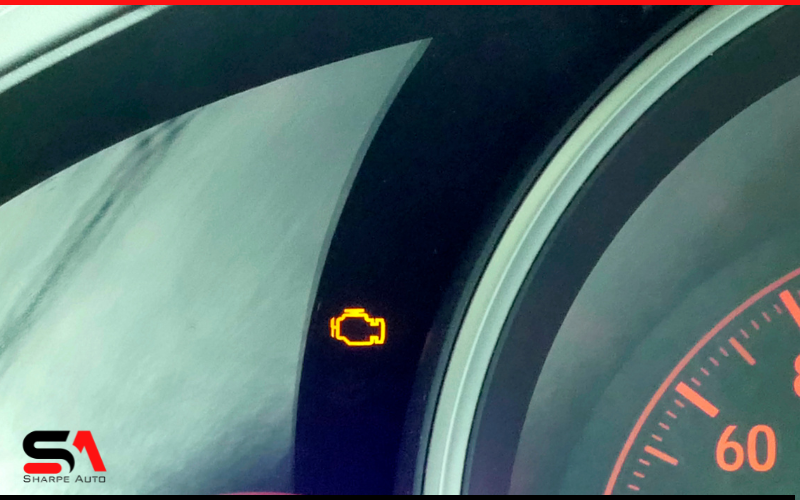
What Santee Drivers Should Know Before Ignoring Their Check Engine Light
Quick Answer
A check engine light can come on for many different reasons, ranging from a loose gas cap to engine misfires, failing oxygen sensors, catalytic converter problems, or ignition issues. While some causes are relatively minor, others can lead to reduced performance, lower fuel economy, or expensive engine damage if left unaddressed.
At Sharpe Automotive, one of the most common questions we hear is, "Can I keep driving if my check engine light is on?" The answer depends on what's causing the light to appear, which is why professional diagnostics are so important.
What Does the Check Engine Light Mean?
The check engine light is part of your vehicle's onboard diagnostic (OBD-II) system.
When your vehicle detects a problem affecting engine performance, fuel delivery, emissions, or another monitored system, it stores a diagnostic trouble code and illuminates the warning light.
The light itself doesn't tell you exactly what's wrong—it simply indicates that the vehicle has detected a problem that should be diagnosed.
That's why we recommend scheduling professional vehicle diagnostics in Santee as soon as possible.
The Most Common Reasons Your Check Engine Light Comes On
1. Loose or Damaged Gas Cap
Believe it or not, something as simple as a loose gas cap can trigger the check engine light.
The fuel system is pressurized, and if the gas cap isn't sealing correctly, the vehicle may detect an evaporative emissions leak.
Fortunately, this is usually an easy fix.
2. Faulty Oxygen Sensor
Oxygen sensors monitor the air-to-fuel mixture inside your engine.
When one begins to fail, your vehicle may experience:
- Reduced fuel economy
- Rough engine performance
- Increased emissions
Replacing a faulty oxygen sensor early can often prevent additional issues.
3. Worn Spark Plugs or Ignition Coils
Spark plugs and ignition coils work together to ignite the air-fuel mixture inside your engine.
As they wear out, you may notice:
- Engine misfires
- Rough idling
- Poor acceleration
- Reduced fuel economy
Ignoring ignition problems can sometimes damage other engine components.
4. Mass Air Flow (MAF) Sensor Problems
The Mass Air Flow sensor measures the amount of air entering the engine.
If it begins sending inaccurate information, you may experience:
- Hesitation
- Poor performance
- Rough idle
- Reduced fuel economy
Professional diagnostics can determine whether cleaning or replacement is necessary.
5. Catalytic Converter Problems
Your catalytic converter helps reduce harmful emissions.
When it begins to fail, drivers may notice:
- Reduced engine power
- Poor acceleration
- Sulfur or rotten egg odors
- Check engine light
Catalytic converter repairs can become expensive, which is why early diagnosis is important.
6. Engine Misfires
Engine misfires occur when one or more cylinders fail to ignite properly.
Common causes include:
- Ignition problems
- Fuel injector issues
- Vacuum leaks
- Compression problems
If your engine is misfiring, don't continue driving longer than necessary.
Can I Continue Driving With the Check Engine Light On?
It depends.
If the light is steady and the vehicle appears to be driving normally, you may be able to drive a short distance to a repair shop.
However, if the light is flashing, you should stop driving as soon as it is safe to do so.
A flashing check engine light often indicates an active engine misfire that can damage the catalytic converter.
Why You Shouldn't Ignore the Warning
Many drivers postpone having their vehicle inspected because it still "seems to run fine."
Unfortunately, many engine problems become more expensive the longer they go untreated.
What starts as a simple repair today may eventually lead to:
- Lower fuel economy
- Poor performance
- Increased emissions
- Damage to additional components
Early diagnosis is almost always the least expensive option.
Routine Maintenance Helps Prevent Check Engine Lights
While not every warning light can be prevented, regular maintenance greatly reduces the likelihood of many common engine problems.
Keeping up with:
- Oil changes
- Air filter replacement
- Spark plug replacement
- Fluid inspections
- Battery testing
helps your vehicle perform more reliably.
If your vehicle is due for service, schedule a while having the vehicle inspected.
Vehicle Inspections Catch Small Problems Early
One advantage of routine inspections is that technicians often identify developing issues before they trigger warning lights.
If you haven't already, our article What Happens During a Professional Vehicle Inspection? explains how preventative inspections help drivers avoid larger repair bills.
Local Driving Conditions Can Increase Wear
Drivers throughout Santee experience conditions that place additional stress on modern vehicles, including:
- Stop-and-go traffic
- Summer heat
- Daily commuting
- Hills and elevation changes
These conditions can contribute to additional wear on engine components and sensors over time.
Regular inspections help catch problems before they leave you stranded.
Why Drivers Trust Sharpe Automotive
At Sharpe Automotive, we believe accurate diagnostics are the key to solving problems correctly the first time.
As a family-owned repair shop serving Santee and East County, we focus on:
- Honest recommendations
- Accurate diagnostics
- ASE-certified technicians
- Quality workmanship
- Clear communication
If you're looking for trusted auto repair in Santee, our experienced team is here to help.
Whether your check engine light has just appeared or you've been putting it off, we'll identify the cause and explain your options clearly.
Schedule Your Diagnostic Appointment
Ignoring a check engine light rarely makes the problem go away.
If your vehicle has turned on its warning light, let our experienced technicians perform a complete diagnostic inspection to determine exactly what's happening.
Sharpe Automotive
📍 8517 Ablette Rd, Santee, CA 92071
📞 (619) 456-4880
🕒 Monday – Friday | 8:00 AM – 5:00 PM
Learn more about our professional vehicle diagnostics in Santee or explore all of our auto repair services in Santee.
FAQs
What usually causes a check engine light to come on?
The most common causes include a loose gas cap, faulty oxygen sensor, worn spark plugs, ignition coil problems, mass airflow sensor issues, or catalytic converter problems.
Can I drive with my check engine light on?
If the light is steady and your vehicle seems to be driving normally, you may be able to drive a short distance to a repair shop. If the light is flashing, stop driving as soon as it's safe and have the vehicle inspected immediately.
Will the check engine light turn off by itself?
Sometimes it will if the issue resolves itself, such as tightening a loose gas cap. However, most problems require diagnosis and repair before the light will clear.
Can low oil cause a check engine light?
Yes. Low or degraded engine oil can contribute to engine performance issues that may trigger the check engine light.
Is a flashing check engine light serious?
Yes. A flashing check engine light often indicates an engine misfire that can quickly damage the catalytic converter if ignored.
How much does it cost to diagnose a check engine light?
The cost varies depending on the vehicle and the testing required. A professional diagnostic inspection identifies the underlying cause before repairs begin.
Where can I get check engine light diagnostics in Santee?
Sharpe Automotive provides professional engine diagnostics, inspections, and repairs for drivers throughout Santee and East County San Diego.