What Fluids Does Your Vehicle Need and When Should They Be Changed?
By Dean Sharpe
A Complete Guide for Santee Drivers
Quick Answer
Your vehicle relies on several essential fluids to operate safely and efficiently, including engine oil, coolant, brake fluid, transmission fluid, power steering fluid, differential fluid, and windshield washer fluid. Each fluid has its own maintenance schedule, and neglecting routine fluid service can lead to expensive repairs, reduced performance, and even vehicle breakdowns.
At Sharpe Automotive, checking vehicle fluids is one of the simplest ways we help drivers avoid larger mechanical problems before they happen.
Why Vehicle Fluids Matter
Every major system in your vehicle depends on properly maintained fluids.
These fluids help:
- Lubricate moving parts
- Reduce friction
- Remove heat
- Prevent corrosion
- Protect internal components
- Improve overall performance
Over time, however, fluids naturally break down or become contaminated.
Ignoring routine fluid maintenance can shorten the life of expensive vehicle components.
Engine Oil
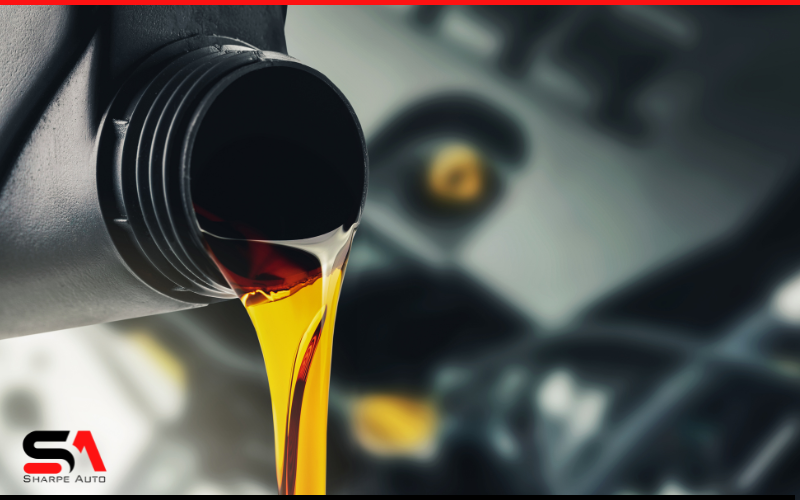
Engine oil is arguably the most important fluid in your vehicle.
It lubricates internal engine components while helping control heat and remove contaminants.
As oil ages, it gradually loses its protective qualities.
If left unchanged for too long, old oil can contribute to:
- Increased engine wear
- Sludge buildup
- Reduced fuel economy
- Overheating
- Engine damage
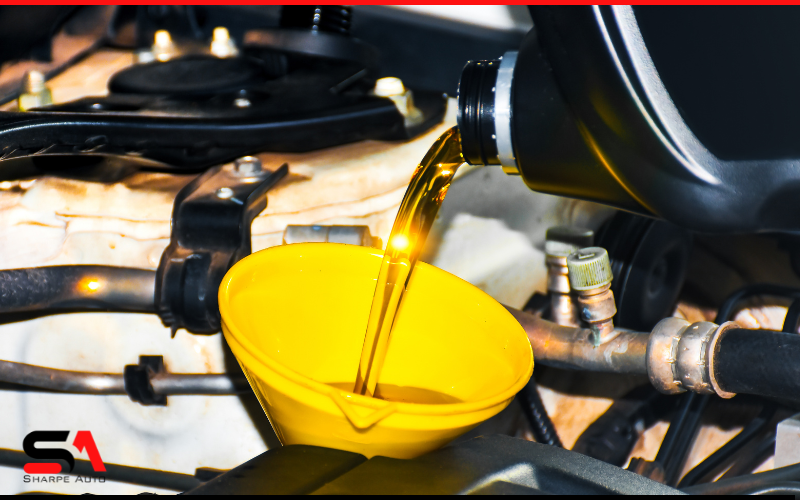
If your vehicle is due for service, schedule a professional oil change in Santee to help keep your engine protected.
Coolant (Antifreeze)
Coolant regulates engine temperature throughout the year.
It helps prevent:
- Overheating during summer
- Freezing during colder temperatures
- Corrosion inside the cooling system
Over time, coolant loses its effectiveness and should be replaced according to your manufacturer's maintenance schedule.
Brake Fluid
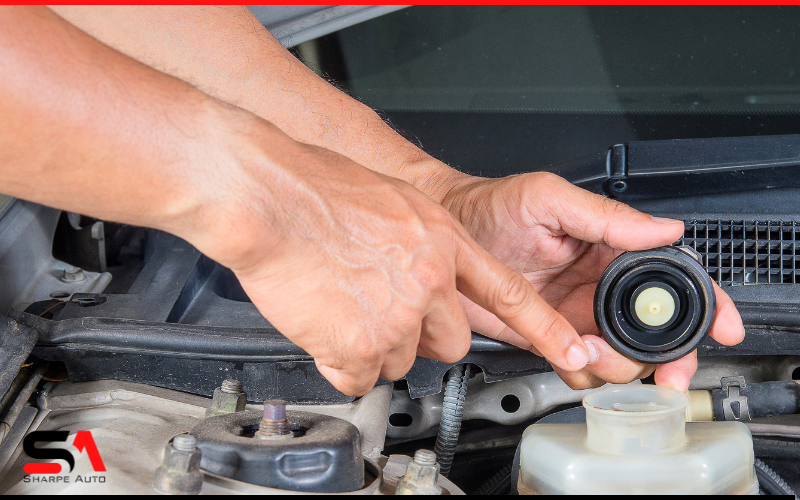
Brake fluid transfers pressure from your brake pedal to the braking system.
As brake fluid absorbs moisture over time, braking performance can gradually decline.
Routine brake inspections often include evaluating brake fluid condition.
For additional information, read How Often Should You Have Your Brakes Inspected?
Transmission Fluid
Transmission fluid lubricates and cools transmission components.
Old or contaminated transmission fluid may contribute to:
- Rough shifting
- Delayed engagement
- Increased transmission wear
Regular transmission service can significantly extend transmission life.
Power Steering Fluid
Many vehicles still use hydraulic power steering systems.
Power steering fluid allows steering components to operate smoothly.
Low or contaminated fluid may cause:
- Steering noise
- Hard steering
- Premature component wear
Differential Fluid
Many trucks, SUVs, and rear-wheel-drive vehicles require differential service.
Differential fluid protects gears from excessive friction and heat.
This is particularly important for:
- Trucks
- Diesel pickups
- Vehicles used for towing
Windshield Washer Fluid
Although it's often overlooked, windshield washer fluid plays an important role in visibility and safety.
Keeping it topped off ensures you can quickly remove:
- Dirt
- Bugs
- Road grime
- Tree sap
from your windshield.
How Often Should Fluids Be Checked?
Many fluids should be visually inspected during routine maintenance visits.
At Sharpe Automotive, we recommend checking fluid levels and condition regularly, especially before long road trips or during seasonal maintenance.
Routine inspections help identify:
- Low fluid levels
- Contamination
- Fluid leaks
- Early component wear
before they become larger repairs.
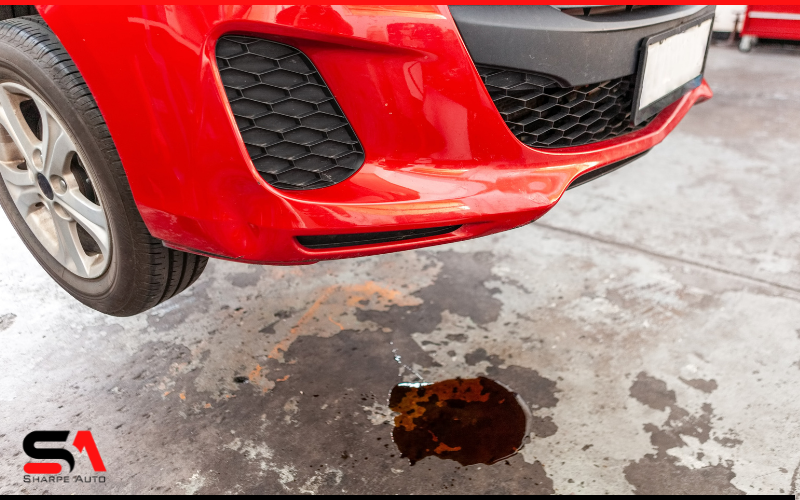
Watch for Fluid Leaks
Fluid leaks are one of the earliest warning signs of developing vehicle problems.
Watch for:
- Dark brown or black spots (engine oil)
- Green, orange, or pink puddles (coolant)
- Red fluid (transmission fluid)
- Clear or amber brake fluid
If you've noticed oil leaking beneath your vehicle, our article Why Santee Drivers Should Never Ignore a Small Oil Leak explains why prompt repairs are important.
Routine Inspections Help Catch Problems Early
Many fluid-related problems are identified during preventative inspections.
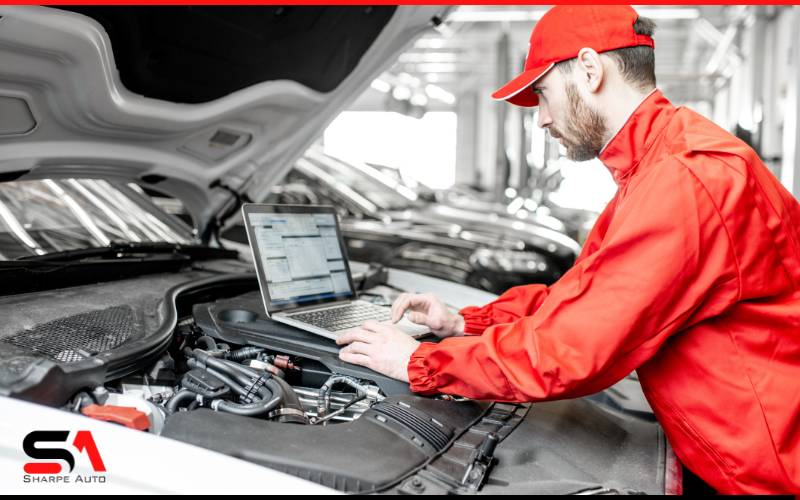
Our technicians routinely evaluate:
- Fluid levels
- Fluid condition
- Leaks
- Belts
- Hoses
- Cooling system components
before they create larger mechanical issues.
If you're interested in learning more, read What Happens During a Professional Vehicle Inspection?
Why Drivers Trust Sharpe Automotive
At Sharpe Automotive, we believe preventative maintenance is one of the best investments you can make in your vehicle.
Our ASE-certified technicians provide honest recommendations while helping drivers stay ahead of expensive repairs through routine inspections and maintenance.
If you're looking for trusted auto repair in Santee, we're here to help.
Schedule Preventative Maintenance Today
Regular fluid inspections help protect your vehicle and extend the life of major components.
Whether you need an oil change, fluid inspection, diagnostics, or general maintenance, Sharpe Automotive is here to help.
📍 8517 Ablette Rd., Santee, CA 92071
📞 (619) 456-4880
🕒 Monday–Friday | 8:00 AM–5:00 PM
Learn more about our professional oil change service in Santee or explore our complete auto repair services in Santee.
FAQs
What vehicle fluids should be checked regularly?
Your vehicle's most important fluids include engine oil, coolant, brake fluid, transmission fluid, power steering fluid (if equipped), differential fluid (on applicable vehicles), and windshield washer fluid. Regular inspections help ensure these fluids remain clean and at the proper levels.
How often should engine oil be changed?
Oil change intervals vary depending on your vehicle, driving habits, and the type of oil used. Many modern vehicles can go between 5,000 and 10,000 miles, but it's always best to follow your manufacturer's recommendations or speak with your trusted mechanic.
How do I know if my coolant needs replacing?
Signs that your coolant may need attention include engine overheating, low coolant levels, rusty or discolored coolant, or visible coolant leaks. During routine maintenance, a technician can inspect your cooling system and recommend service if needed.
What happens if transmission fluid isn't changed?
Old or contaminated transmission fluid can lead to rough shifting, increased transmission wear, overheating, and reduced performance. Regular transmission service helps keep the transmission operating smoothly and may extend its lifespan.
Can low brake fluid affect braking performance?
Yes. Low or contaminated brake fluid can reduce braking performance and compromise your vehicle's safety. Brake fluid should be inspected during routine maintenance and replaced according to your manufacturer's recommendations.
How can I tell if my vehicle has a fluid leak?
Common signs include puddles or spots under your vehicle, warning lights, low fluid levels, unusual odors, or changes in vehicle performance. If you notice any of these symptoms, it's a good idea to have your vehicle inspected as soon as possible.
Where can I have my vehicle fluids inspected in Santee?
Sharpe Automotive provides professional fluid inspections, oil changes, preventative maintenance, diagnostics, and complete auto repair services for drivers throughout Santee and East County San Diego.