How Often Should You Have Your Brakes Inspected?
By Dean Sharpe, Owner of Sharpe Automotive – Santee, California
Why Regular Brake Inspections Help Keep Santee Drivers Safe
Quick Answer
Most vehicles should have their brakes inspected at least once a year or during routine maintenance visits. However, drivers who regularly commute in traffic, drive in hilly areas, tow trailers, or accumulate high mileage may benefit from more frequent brake inspections.
Brake systems wear gradually over time, and many drivers don't notice developing problems until braking performance begins to suffer. Regular inspections help identify worn components before they become safety concerns.
At Sharpe Automotive, brake inspections are one of the most common preventative services we perform because they help drivers avoid unexpected repairs and maintain safe stopping performance.
Why Brake Inspections Matter
Your brakes are one of the most important safety systems on your vehicle.
Every time you drive, your brake system works to:
- Slow the vehicle
- Stop the vehicle safely
- Maintain control during emergency situations
Unlike some vehicle components that fail suddenly, brake systems usually provide warning signs before serious problems develop.
The challenge is that many drivers don't recognize those warning signs until the wear becomes more significant.
Regular inspections help identify problems early.
What Happens During a Brake Inspection?
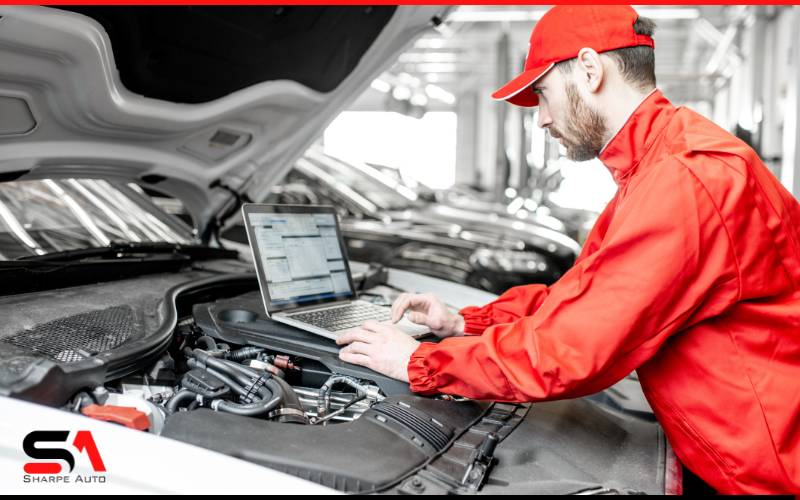
A professional brake inspection typically includes evaluating:
Brake Pads
Brake pads naturally wear down over time.
Technicians inspect:
- Pad thickness
- Uneven wear
- Signs of damage
Replacing pads before they become excessively worn helps protect other brake components.
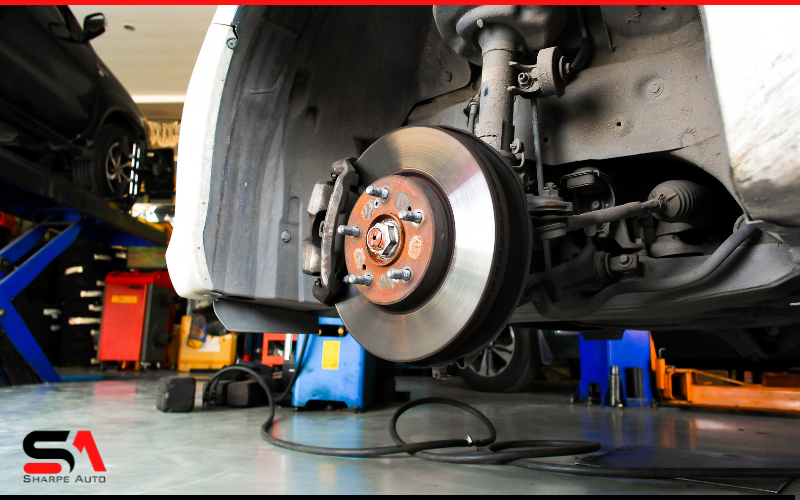
Brake Rotors
Rotors work together with brake pads to slow the vehicle.
During an inspection, technicians look for:
- Excessive wear
- Heat damage
- Cracks
- Warping
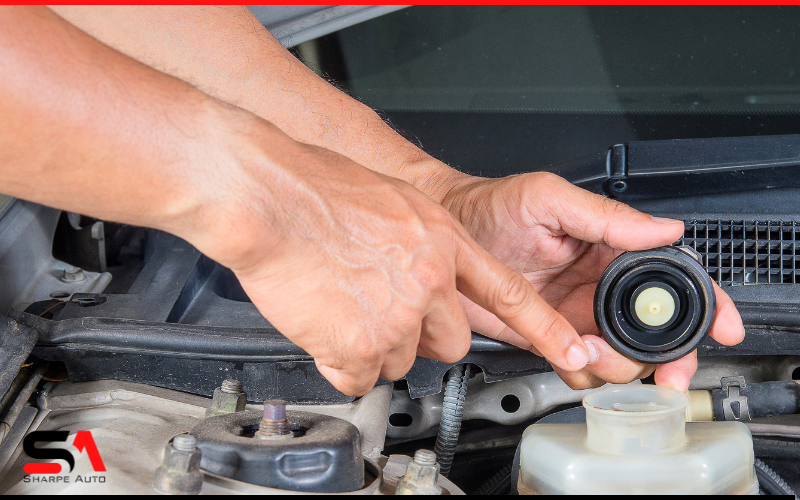
Brake Fluid
Brake fluid plays a critical role in transferring braking force.
Contaminated or deteriorated fluid can affect braking performance and should be evaluated regularly.
Brake Lines and Components
Inspections may also include checking:
- Brake hoses
- Brake lines
- Calipers
- Hardware
These components help ensure the entire braking system functions properly.
How Often Should Brakes Be Inspected?
There isn't a single answer that applies to every vehicle.
Factors that affect brake wear include:
- Driving habits
- Vehicle weight
- Traffic conditions
- Road conditions
- Towing frequency
In general, most drivers should consider having their brakes inspected:
- During routine maintenance visits
- At least annually
- Whenever unusual symptoms appear
Why Santee Drivers Experience Additional Brake Wear
Local driving conditions can significantly affect brake life.
Drivers throughout Santee often deal with:
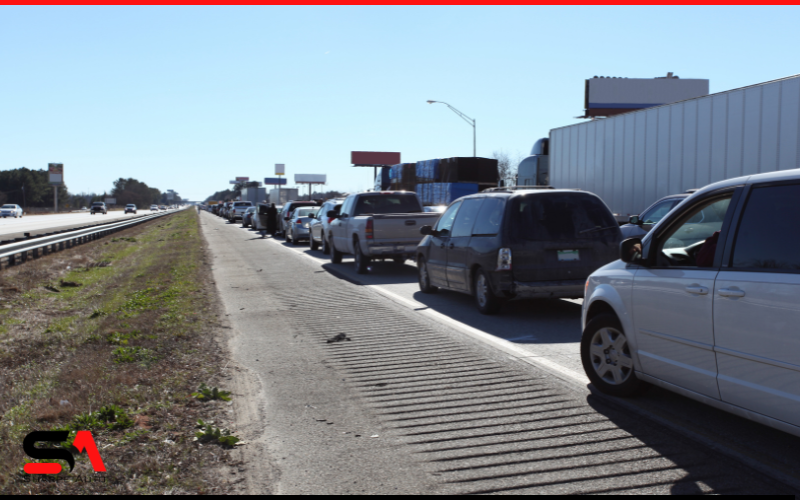
- Stop-and-go traffic
- Daily commuting
- Hills and elevation changes
- Warm temperatures
Every time you apply the brakes, friction generates heat.
Frequent braking means:
- More heat
- Faster wear
- Additional stress on components
That's one reason local drivers often benefit from regular inspections.
For additional insight, read How Santee Traffic Affects Your Engine, Brakes, and Oil.
Warning Signs Your Brakes May Need Attention
Brake systems usually provide warning signs before major problems occur.
Common symptoms include:
Squealing or Screeching
Many brake pads are designed to make noise when they become worn.
Grinding Sounds
Grinding often indicates significant brake wear and should be inspected immediately.
Vehicle Vibrations While Braking
If your steering wheel or brake pedal vibrates while stopping, brake components may need attention.
You may also find our article Why Your Car Shakes When You Brake helpful.
Longer Stopping Distances
Any noticeable reduction in braking performance deserves professional evaluation.
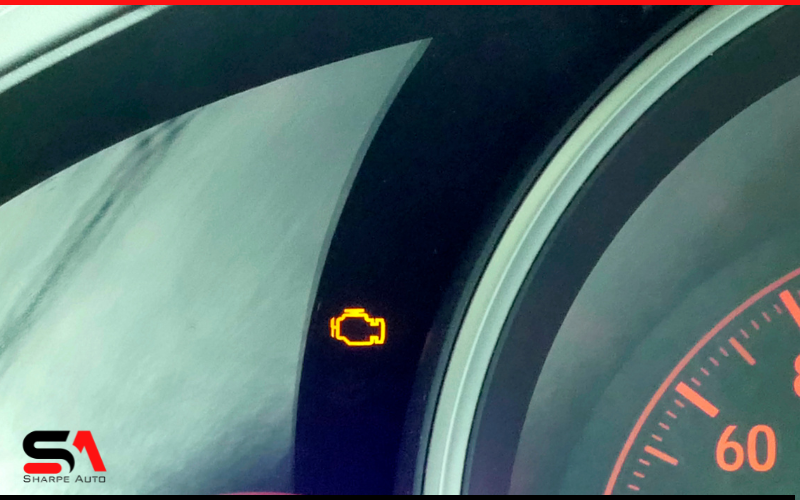
Brake Warning Lights
Modern vehicles may illuminate brake-related warning lights when issues are detected.
Can Delaying Brake Service Become Expensive?
Yes.
One of the most common mistakes drivers make is waiting too long to address brake wear.
Replacing brake pads early is often far less expensive than allowing worn pads to damage:
- Rotors
- Calipers
- Other brake components
Routine inspections help identify wear before more extensive repairs become necessary.
High-Mileage Vehicles Need Extra Attention
As mileage increases, brake inspections become even more important.
Vehicles with over 100,000 miles have experienced years of:
- Daily driving
- Heat cycles
- Component wear
Regular inspections help ensure brake performance remains reliable.
For more information, read Why Regular Maintenance Is More Important Than Ever for High-Mileage Vehicles</.
Why Preventative Maintenance Matters
Brake inspections are part of a larger preventative maintenance strategy.
Regular inspections can help identify:
- Brake wear
- Tire wear
- Fluid concerns
- Suspension issues
before they become larger problems.
If your vehicle is due for service, a routine oil change service in Santee is also a great opportunity to have the vehicle inspected.
Why Drivers Trust Sharpe Automotive
At Sharpe Automotive, we believe vehicle maintenance should focus on preventing problems, not simply reacting to them.
As a family-owned repair shop in Santee, we focus on:
- Honest recommendations
- Thorough inspections
- Accurate diagnostics
- Quality workmanship
Our team proudly maintains:
- ASE Certifications
- SEMA Membership
- Better Business Bureau Accreditation
These credentials reflect our commitment to helping customers keep their vehicles safe and reliable.
If you're looking for a trusted mechanic in Santee, we're here to help.
Book an Appointment Today
Routine brake inspections help protect your vehicle, your passengers, and everyone else on the road.
If it's been a while since your brakes were inspected, now is a great time to schedule a visit.
Sharpe Automotive
8517 Ablette Rd, Santee, CA 92071
(619) 456-4880
Monday – Friday | 8:00 AM – 5:00 PM
Whether you need maintenance, diagnostics, or a brake inspection, our team is ready to help.
FAQs
How often should brakes be inspected?
Most vehicles should have their brakes inspected at least once a year or during routine maintenance visits.
How long do brake pads typically last?
Brake pad life varies but often ranges between 25,000 and 70,000 miles depending on driving habits and conditions.
What are the signs of worn brakes?
Common signs include squealing, grinding, vibration, longer stopping distances, and brake warning lights.
Is it safe to drive with squeaky brakes?
Not always. Squealing can indicate brake wear and should be inspected before the problem worsens.
Can worn brake pads damage rotors?
Yes. Severely worn pads can cause rotor damage, resulting in more expensive repairs.
Do Santee driving conditions affect brake wear?
Yes. Stop-and-go traffic, hills, and daily commuting can increase brake wear.
Where can I get a brake inspection in Santee?
Sharpe Automotive provides brake inspections, diagnostics, and repair services for drivers throughout Santee and East County San Diego.