What Happens During a Professional Vehicle Inspection?
By Dean Sharpe, Owner of Sharpe Automotive – Santee, California
Why Vehicle Inspections Help Santee Drivers Avoid Costly Repairs
Quick Answer
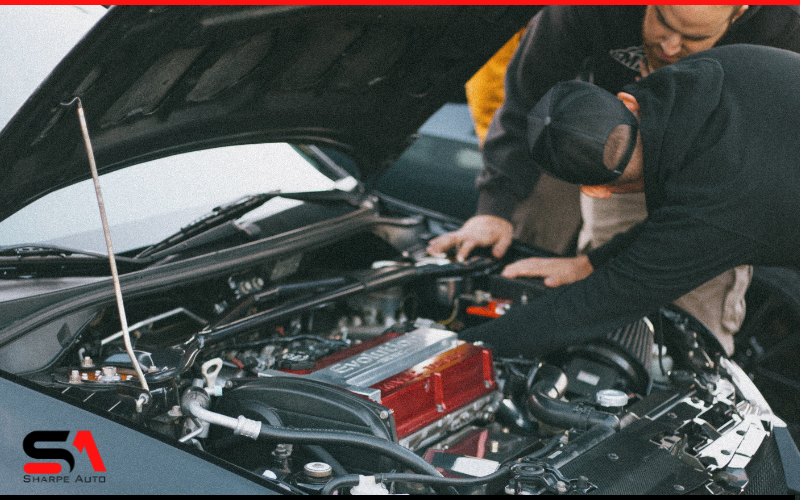
A professional vehicle inspection helps identify developing problems before they become expensive repairs or safety concerns. During an inspection, technicians evaluate major systems such as brakes, tires, suspension, fluids, belts, hoses, battery health, and engine performance to determine whether maintenance or repairs are needed.
At Sharpe Automotive, vehicle inspections are one of the most valuable services we provide because they often uncover small issues before they turn into major breakdowns.
Why Vehicle Inspections Matter
Many drivers wait until something goes wrong before visiting a repair shop.
Unfortunately, by the time a warning light appears or a strange noise develops, a problem may already be getting worse.
Routine inspections allow technicians to identify:
- Wear and tear
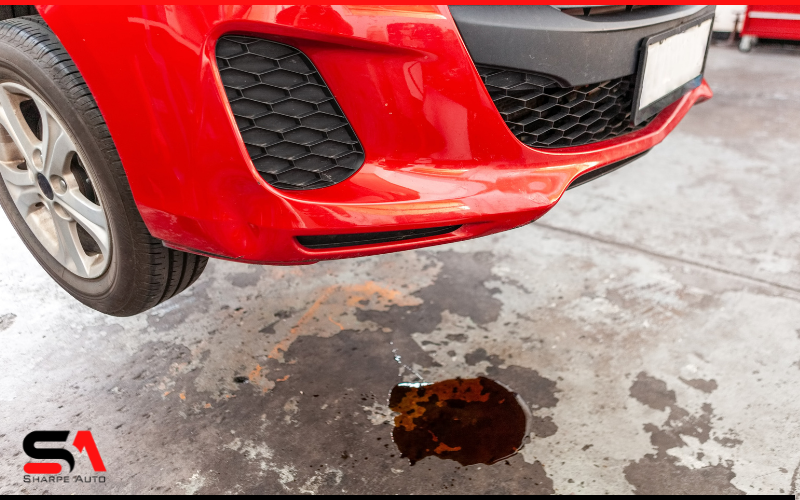
- Fluid leaks
- Safety concerns
- Maintenance needs
- Developing repair issues
before they become expensive or leave you stranded.
As someone who has worked on vehicles for years, I've seen many situations where a simple inspection saved a customer hundreds or even thousands of dollars.
What Does a Professional Vehicle Inspection Include?
While every vehicle is different, a thorough inspection generally covers several major areas.
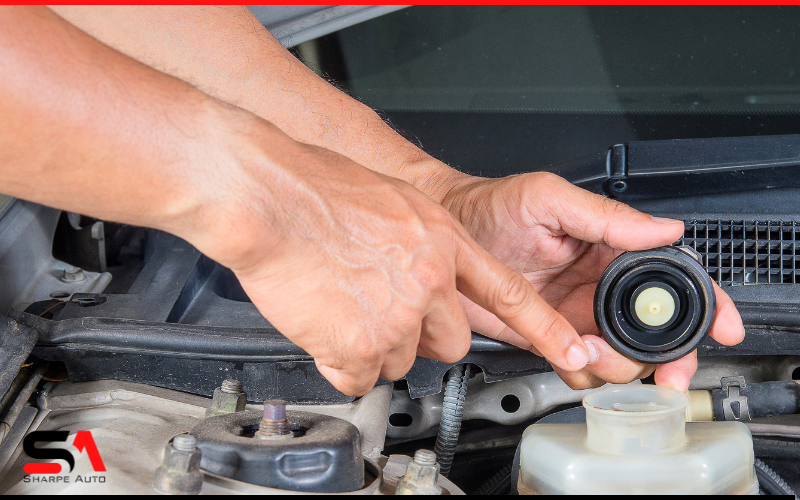
Fluid Levels and Condition
Your vehicle relies on multiple fluids to operate properly.
A technician will often inspect:
- Engine oil
- Coolant
- Brake fluid
- Transmission fluid
- Power steering fluid
- Windshield washer fluid
Low or contaminated fluids can lead to reduced performance and accelerated wear.
If your vehicle is due for maintenance, scheduling a routine oil change service in Santee can also provide an opportunity to inspect fluid condition and catch developing issues early.
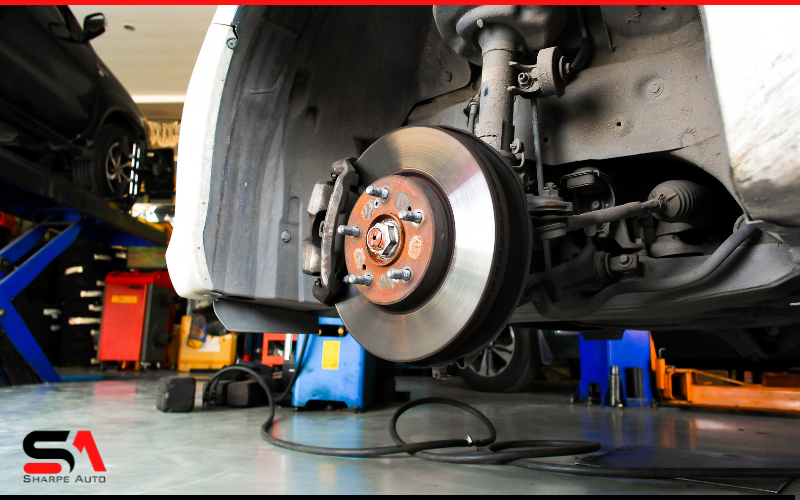
Brake System Inspection
Brakes are one of the most important safety systems on any vehicle.
During an inspection, technicians often evaluate:
- Brake pads
- Brake rotors
- Brake fluid
- Brake lines
- Calipers
This helps determine whether brake service may be needed before performance declines.
Tire Inspection
Tires affect:
- Safety
- Fuel economy
- Handling
- Ride quality
A professional inspection typically includes:
- Tire tread depth
- Tire pressure
- Uneven wear patterns
- Sidewall condition
Uneven tire wear can sometimes reveal alignment or suspension concerns.
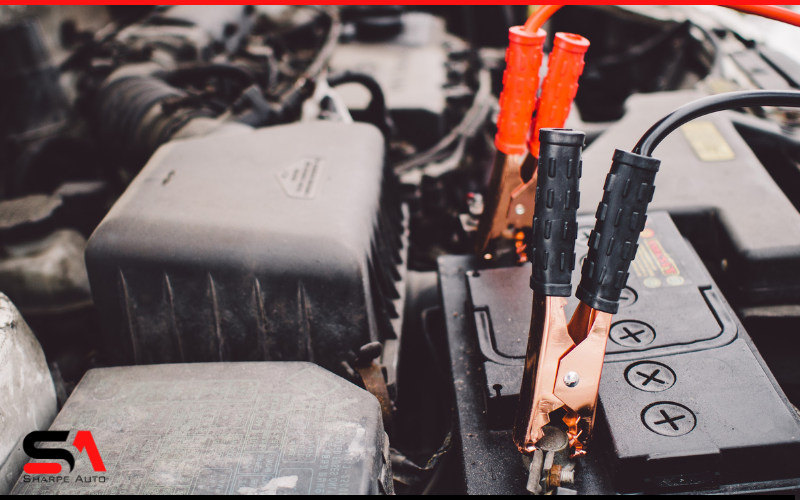
Battery Testing
Battery failures are one of the most common causes of vehicle breakdowns.
A battery inspection may include:
- Voltage testing
- Terminal inspection
- Charging system evaluation
Identifying a weak battery before it fails can help avoid unexpected problems.
Belts and Hoses
Belts and hoses experience constant heat and pressure.
Over time they can:
- Crack
- Dry out
- Become brittle
- Leak
These components are often inspected because failure can quickly lead to larger issues.
Suspension and Steering Components
Many drivers don't realize suspension wear is occurring until ride quality noticeably declines.
A vehicle inspection often evaluates:
- Shocks
- Struts
- Ball joints
- Bushings
- Steering components
Early detection helps maintain handling, comfort, and tire life.
Vehicle Inspections Can Catch Problems Before Warning Lights Appear
One of the biggest misconceptions I hear is:
"If there isn't a warning light, everything must be fine."
That's not always true.
Many developing issues don't immediately trigger warning lights.
Examples include:
- Brake wear
- Fluid leaks
- Tire wear
- Suspension problems
- Battery weakness
Routine inspections help identify these concerns before they become larger repairs.
How Inspections Help High-Mileage Vehicles
Vehicles with over 100,000 miles often benefit the most from routine inspections.
As mileage increases, normal wear affects:
- Engine components
- Suspension systems
- Cooling systems
- Seals and gaskets
Regular inspections allow drivers to stay ahead of age-related wear and improve long-term reliability.
For additional guidance, read our article Why Regular Maintenance Is More Important Than Ever for High-Mileage Vehicles.
Santee Driving Conditions Create Additional Wear
Driving conditions throughout Santee can be demanding on vehicles.
Common factors include:
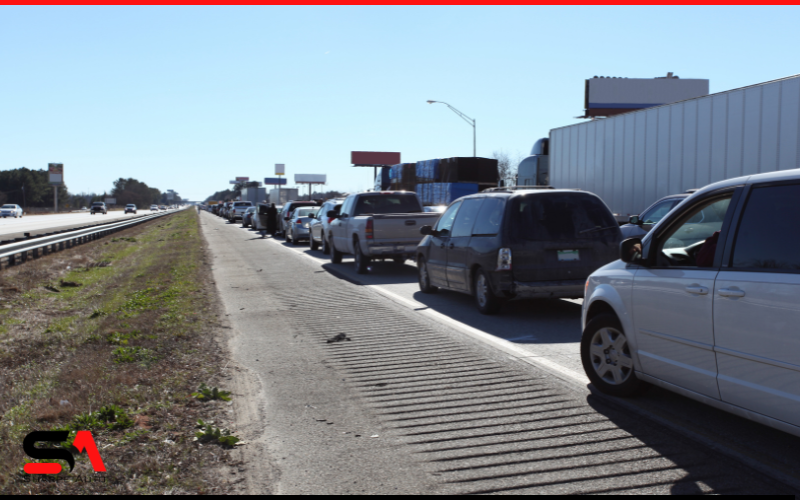
- Stop-and-go traffic
- Summer heat
- Hills
- Daily commuting
These conditions place additional stress on:
- Brakes
- Tires
- Engine oil
- Cooling systems
That's one reason preventative inspections are particularly valuable for local drivers.
Our article How Santee Traffic Affects Your Engine, Brakes, and Oil explains these factors in more detail.
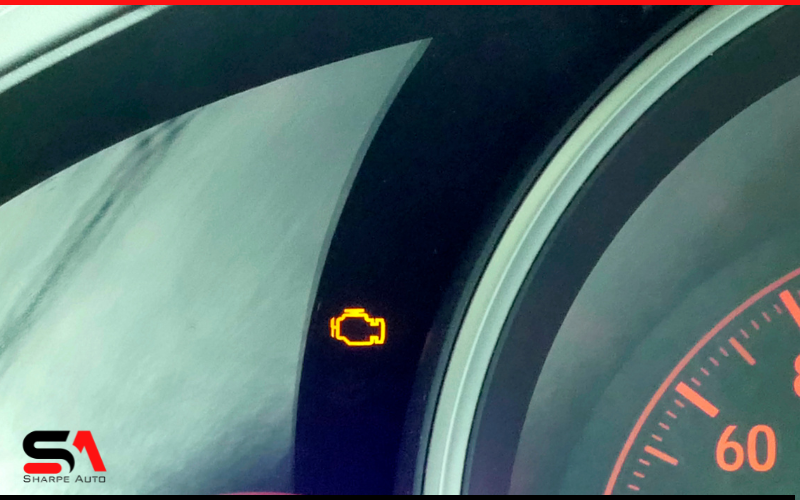
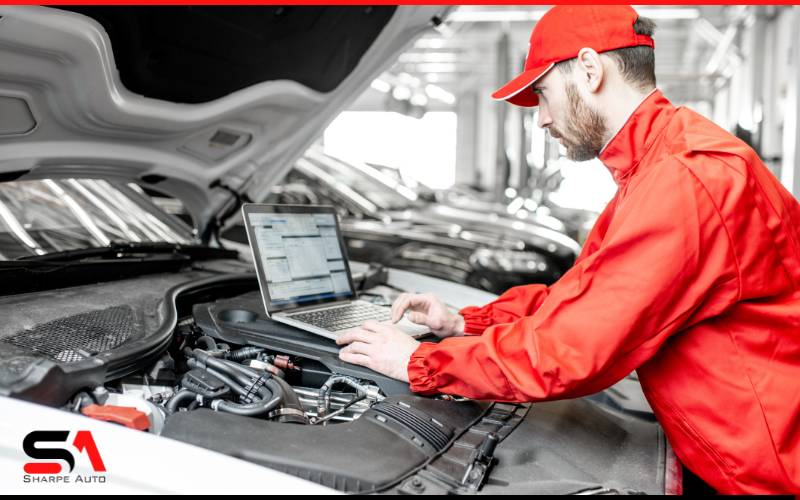
Why Professional Diagnostics Matter
Sometimes inspections reveal symptoms that require further testing.
For example:
- Check engine lights
- Rough running engines
- Power loss
- Poor fuel economy
In these situations, professional testing may be recommended.
If your vehicle is showing warning signs, schedule vehicle diagnostics in Santee to identify the root cause.
Why Drivers Trust Sharpe Automotive
At Sharpe Automotive, we believe vehicle inspections should provide real value and actionable information.
As a family-owned repair shop in Santee, we focus on:
- Honest recommendations
- Thorough inspections
- Accurate diagnostics
- Quality workmanship
Our team proudly maintains:
- ASE Certifications
- SEMA Membership
- Better Business Bureau Accreditation
These credentials reflect our commitment to helping customers make informed decisions about their vehicles.
If you're looking for an experienced mechanic in Santee, our team is ready to help.
Book an Appointment Today
Routine inspections are one of the best ways to protect your vehicle and avoid unexpected repairs.
Whether you're preparing for a road trip, maintaining a high-mileage vehicle, or simply want peace of mind, Sharpe Automotive can help.
8517 Ablette Rd, Santee, CA 92071
(619) 456-4880
Monday – Friday | 8:00 AM – 5:00 PM
Schedule your inspection today and let our team help keep your vehicle running safely and reliably.
FAQs
What is included in a vehicle inspection?
Most inspections include checks of brakes, tires, fluids, battery health, belts, hoses, suspension components, and overall vehicle condition.
How often should I have my vehicle inspected?
Many drivers benefit from an inspection during routine maintenance visits or at least once per year.
Can a vehicle inspection prevent expensive repairs?
Yes. Inspections often identify small issues before they become major repairs or safety concerns.
Do I need an inspection if my car seems fine?
Yes. Many developing problems do not immediately create noticeable symptoms or warning lights.
What's the difference between an inspection and diagnostics?
An inspection is a visual and functional evaluation of vehicle systems, while diagnostics use specialized tools to identify specific mechanical or electronic issues.
Are inspections important for high-mileage vehicles?
Absolutely. High-mileage vehicles often benefit from regular inspections because wear increases as vehicles age.
Where can I get a professional vehicle inspection in Santee?
Sharpe Automotive provides inspections, diagnostics, maintenance, and repair services for drivers throughout Santee and East County San Diego.