Can Skipping Oil Changes Damage Your Engine?
By Dean Sharpe, Owner of Sharpe Automotive – Santee, California
By Dean Sharpe, Owner of Sharpe Automotive – Santee, California
Quick Answer
Yes. Skipping oil changes can eventually damage your engine.
Engine oil lubricates moving parts, reduces friction, helps manage heat, carries contaminants away from critical components, and helps prevent harmful deposits from building up inside the engine. As oil ages, it becomes contaminated and less effective at doing these jobs.
Going slightly beyond an oil-change interval doesn't necessarily mean your engine will suddenly fail. However, repeatedly delaying oil changes—or driving far beyond the recommended interval—can contribute to sludge buildup, accelerated engine wear, lubrication problems, and potentially expensive engine damage.
As the owner of Sharpe Automotive, I've seen firsthand why something as simple as regular oil service can make such a difference in the long-term health of a vehicle.
What Does Engine Oil Actually Do?
Most drivers know their vehicle needs oil, but it's easy to underestimate how important that oil is.
Inside a running engine, many components are moving extremely quickly and operating under high temperatures and loads. Engine oil creates a protective film between these moving surfaces.
Oil helps:
- Lubricate moving engine components
- Reduce friction
- Carry away some heat
- Suspend contaminants
- Reduce deposit and sludge formation
- Protect internal surfaces from wear and corrosion
- Help the engine operate efficiently
Your engine depends on having the correct type and amount of oil in serviceable condition.
That's why oil changes aren't simply another item on a maintenance checklist. They're a fundamental part of protecting the engine.
What Happens When Engine Oil Gets Old?
Engine oil doesn't suddenly become bad at a particular mileage.
It deteriorates gradually.
As you drive, the oil is exposed to heat, combustion byproducts, moisture, and contaminants. Its additives are depleted over time, and the oil becomes less effective at protecting the engine.
The oil filter also has an important job. It captures contaminants circulating through the lubrication system, which is why the filter is normally replaced during an oil change.
When oil remains in service too long, several problems can develop.
1. Engine Components Can Experience Increased Wear
One of oil's most important jobs is reducing friction between moving components.
When the oil is degraded, contaminated, too low, or unable to circulate properly, engine components may not receive the level of protection they were designed to have.
Over time, excessive wear can affect components such as:
- Bearings
- Camshafts
- Valvetrain components
- Pistons and cylinder walls
- Timing components
This doesn't necessarily happen because you're a few miles late for one oil change.
The bigger concern is repeated neglect over a long period of time.
2. Sludge and Deposits Can Develop
Sludge is one of the problems people often associate with severely neglected oil changes.
As oil deteriorates and contaminants accumulate, thick deposits can form inside the engine.
Sludge can interfere with oil circulation and potentially restrict passages that deliver lubrication to critical engine components.
In severe cases, this can contribute to:
- Restricted oil flow
- Poor lubrication
- Increased engine wear
- Oil-pressure problems
- Expensive internal engine repairs
Regular oil changes help remove old oil and suspended contaminants before excessive buildup becomes a larger concern.
3. Your Engine May Run With Less Protection From Heat
Your cooling system does most of the work of regulating engine temperature, but engine oil also plays a role in carrying heat away from internal components.
Fresh oil with the proper viscosity and specifications is designed to perform under demanding operating temperatures.
As oil degrades, its ability to perform as intended can decline.
This is particularly worth considering here in Santee, where high summer temperatures, traffic, commuting, and other demanding driving conditions can place additional stress on a vehicle.
4. Engine Performance May Begin to Suffer
Neglected maintenance doesn't always cause an immediate breakdown.
Problems can develop gradually.
Depending on the condition of the engine and oil, you may eventually notice symptoms such as:
- Increased engine noise
- Rougher operation
- Reduced performance
- Oil consumption
- Warning lights
- Burning-oil odors
These symptoms can have many different causes, so they shouldn't automatically be blamed on overdue oil.
But they're worth investigating.
How Far Can You Go Past an Oil Change?
This is a question I hear often, and there isn't one mileage number that applies to every vehicle.
Oil-change intervals vary based on:
- Manufacturer recommendations
- Engine design
- Oil specification
- Vehicle age
- Mileage
- Driving conditions
- How the vehicle is used
Many modern vehicles can travel farther between oil changes than older vehicles could, particularly when using manufacturer-specified synthetic oils.
But that doesn't mean every vehicle should automatically follow an arbitrary 10,000-mile interval.
The best place to start is with your vehicle manufacturer's maintenance recommendations and the correct oil specification for your engine.
If you're not sure what's appropriate for your vehicle, we can help determine the right interval when you schedule an oil change service in Santee.
Can Skipping One Oil Change Ruin Your Engine?
Usually, being slightly late for a single oil change doesn't mean your engine is automatically damaged.
There's an important difference between being a little overdue and repeatedly driving thousands of miles beyond the recommended maintenance interval.
The risk increases when oil changes are consistently neglected.
It can also become more serious if the engine is simultaneously:
- Low on oil
- Leaking oil
- Burning oil
- Operating under demanding conditions
- Experiencing another mechanical problem
Instead of focusing on how long you can get away with postponing an oil change, I recommend developing a consistent maintenance schedule appropriate for your particular vehicle.
Does Stop-and-Go Driving Affect Engine Oil?
How you drive matters.
Vehicles used for frequent short trips, extensive idling, towing, hauling, or other demanding conditions may have different maintenance requirements than vehicles primarily driven for longer highway trips.
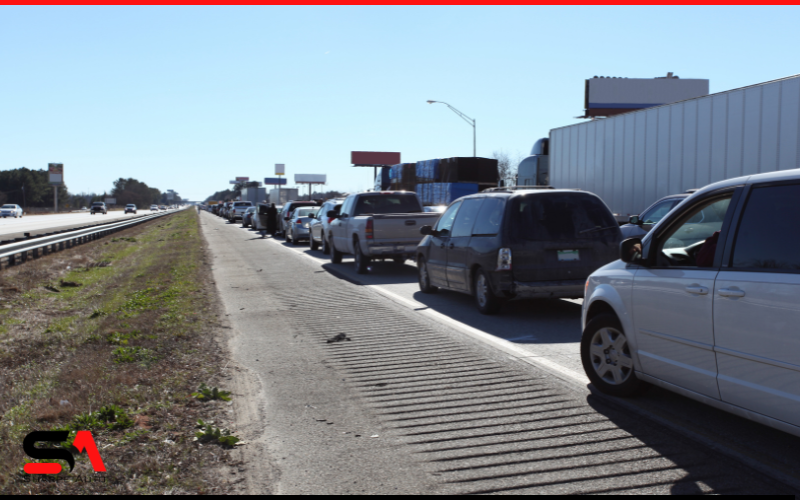
Santee drivers regularly encounter combinations of:
- Stop-and-go traffic
- Hot temperatures
- Short local trips
- Freeway commuting
- Hills
- Towing and hauling
Our guide to how Santee traffic affects your engine, brakes, and oil explains more about how local driving conditions can affect vehicle maintenance.
Warning Signs Your Vehicle May Need Attention
Don't rely exclusively on mileage.
Your vehicle may also provide signs that something needs to be checked.
Oil or Oil-Pressure Warning Light
An oil-pressure warning light should be taken seriously.
Low oil pressure can mean critical engine components aren't receiving adequate lubrication.
This is different from a routine oil-change reminder.
If an oil-pressure warning appears while you're driving, don't assume you can simply wait until your next scheduled service.
Unusual Engine Noise
Ticking, tapping, knocking, or other new engine noises deserve attention.
Low oil level or lubrication problems can sometimes contribute to engine noise, but there are many possible causes.
Have unusual sounds properly diagnosed rather than assuming an oil change alone will solve them.
Burning Oil Smell
A burning-oil smell can indicate leaking oil reaching a hot engine or exhaust component, among other possibilities.
If you've noticed an unusual odor, our article on what a burning smell from your car could mean explains several possible causes.
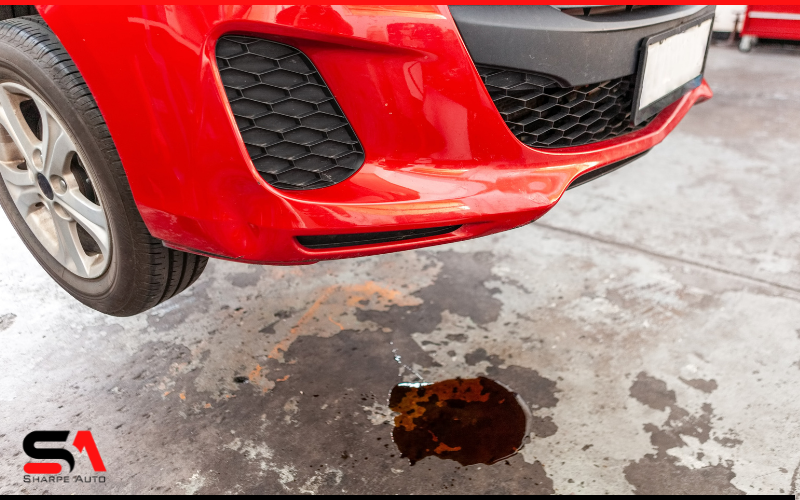
Oil Leaks
Oil underneath your vehicle should not simply be considered normal because a car has higher mileage.
Leaks can worsen over time and eventually cause the oil level to become dangerously low.
High-Mileage Vehicles Benefit From Consistent Oil Service
Regular maintenance becomes particularly valuable as vehicles accumulate mileage.
Engines naturally experience wear as they age. Seals and gaskets can deteriorate, oil consumption may increase, and small leaks may develop.
That doesn't mean a vehicle with 100,000 or 150,000 miles is nearing the end of its life.
Quite the opposite: I've seen properly maintained vehicles continue providing reliable service for many years.
But consistency becomes increasingly important.
Regular oil service also creates an opportunity to notice leaks, fluid concerns, and other developing problems before they become emergencies.
For more on maintaining an older vehicle, read Why Regular Maintenance Is More Important Than Ever for High-Mileage Vehicles.
Synthetic vs. Conventional Oil
Another common question is whether synthetic oil is worth using.
The answer depends first on what your vehicle manufacturer specifies.
Synthetic oils generally offer strong performance across a wide range of temperatures and can provide excellent resistance to oxidation and breakdown.
However, the most important thing isn't simply choosing whichever bottle says "synthetic."
Your engine should receive oil that meets the correct viscosity and manufacturer specifications.
Using the right oil is just as important as changing it at an appropriate interval.
Don't Judge Oil Condition by Color Alone
One thing I'd change from the old version of this article is the idea that dark oil automatically means you're overdue for an oil change.
Engine oil naturally darkens as it circulates and suspends contaminants. Depending on the engine and oil, that can happen relatively quickly.
Color alone isn't a reliable way to determine whether an oil change is overdue.
Your mileage, time since the previous service, manufacturer recommendations, oil-life monitoring system, driving conditions, and maintenance records provide much more useful information.
Oil Changes Are Cheap Compared With Engine Repairs
This is ultimately why I'm such a strong believer in preventative maintenance.
An oil change is relatively inexpensive compared with repairing internal engine damage.
Severe lubrication problems and long-term neglect can contribute to costly issues involving bearings, timing components, valvetrain parts, and other internal components.
Regular oil changes aren't exciting, but they're one of the simplest things you can do to protect a very expensive piece of equipment.
Preventative Maintenance Is About Protecting the Vehicle You Already Own
I don't believe preventative maintenance should mean replacing parts unnecessarily.
It should mean understanding the condition of your vehicle and taking care of the things that genuinely need attention.
Oil service is a perfect example.
Changing the oil on an appropriate schedule helps protect the engine while also giving your technician regular opportunities to identify leaks and developing maintenance concerns.
For drivers planning to keep their vehicles for many years, that consistency can make a meaningful difference.
When Was Your Last Oil Change?
If you can't remember the last time your oil was changed, check your service records, windshield reminder, dashboard oil-life monitor, or owner's manual.
Don't wait for engine noise or an oil-pressure warning before thinking about lubrication.
If your vehicle is due, Sharpe Automotive provides routine oil change service in Santee along with preventative inspections to help you stay ahead of developing problems.
Sharpe Automotive
8517 Ablette Rd.
Santee, CA 92071
(619) 456-4880
Monday–Friday | 8:00 AM–5:00 PM
Frequently Asked Questions
Can skipping oil changes really damage an engine?
Yes. Repeatedly neglecting oil changes can allow oil to degrade and contaminants to accumulate, reducing lubrication and contributing to deposits, increased wear, and potentially serious engine damage.
What happens if I go too long without changing my oil?
Oil gradually loses its ability to perform as intended. If it remains in service excessively long, contaminants and deposits can accumulate while lubrication performance declines. Severe neglect can contribute to accelerated engine wear and internal damage.
Will being a little late for one oil change ruin my engine?
Usually not. Being slightly overdue doesn't automatically mean engine damage has occurred. The greater concern is repeatedly exceeding recommended intervals or operating with low, contaminated, or severely degraded oil.
How often should I change my oil?
Follow the maintenance interval and oil specification recommended by your vehicle manufacturer. The appropriate interval can vary based on the vehicle, engine, oil type, mileage, and operating conditions.
Does dark engine oil mean it needs to be changed?
Not necessarily. Oil naturally darkens as it circulates through an engine. Color alone isn't a reliable indicator of whether an oil change is due.
What warning light can appear if my oil pressure is too low?
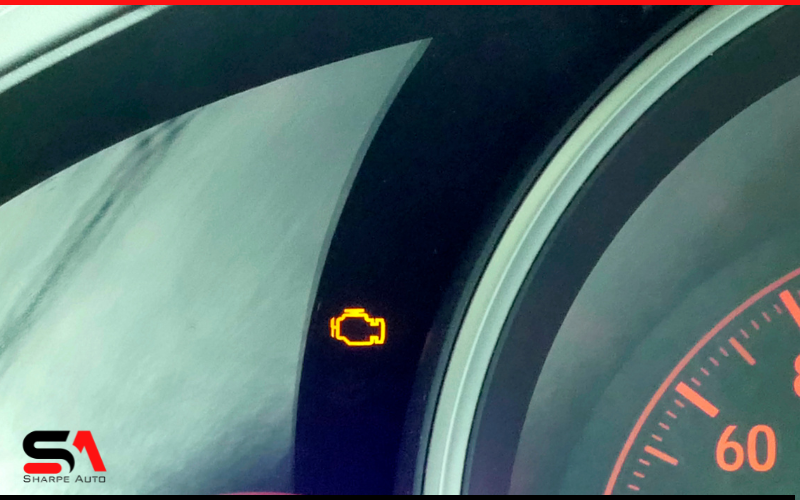
Low oil pressure can trigger the oil-pressure warning light. This is different from the check engine light or a routine oil-change reminder. An oil-pressure warning should be taken seriously because inadequate lubrication can damage an engine.
Is stop-and-go driving harder on engine oil?
Certain driving patterns, including frequent short trips, extensive idling, towing, and other demanding use, can affect maintenance requirements. Follow the manufacturer's recommendations for your vehicle and driving conditions.
Where can I get an oil change in Santee?
Sharpe Automotive provides oil changes and preventative maintenance for drivers in Santee and surrounding East County communities.