What That Strange Noise From Your Car Could Mean | Santee Auto Repair
Quick Answer: What Do Strange Car Noises Mean?
By Dean Sharpe, Owner of Sharpe Automotive – Santee, California
Quick Answer: What Do Strange Car Noises Mean?
Unusual car noises are often early warning signs of mechanical problems. Common sounds and their possible causes include:
- Squealing when braking → worn brake pads
- Grinding sounds → damaged brake components
- Clicking during turns → worn CV joints
- Knocking from the engine → engine timing or internal wear
- Humming or growling while driving → worn wheel bearings
- Whining when accelerating → transmission issues
Many vehicle problems begin with subtle noises before they become serious mechanical failures. When drivers hear unfamiliar sounds, it’s important to have the vehicle inspected by a professional mechanic as soon as possible.
If your car is making unusual sounds, the safest step is to schedule vehicle diagnostics in Santee to identify the issue before it becomes more expensive to repair.
Why Strange Car Noises Should Never Be Ignored
After many years working on vehicles here in Santee and East County San Diego, I can tell you that strange noises are one of the most common reasons people bring their vehicles into the shop.
And in most cases, those noises started weeks or even months earlier.
Many drivers assume that a noise will eventually go away on its own. Unfortunately, mechanical problems rarely fix themselves. More often, they get worse over time.
When a customer tells me their car has been making a noise for a while, I usually say the same thing:
"Your vehicle was trying to tell you something."
Modern vehicles are built to last, but they rely on hundreds of moving parts working together. When one of those parts begins to wear out or fail, the vehicle often makes noise as an early warning signal.
Recognizing those sounds early can prevent much larger repairs later.
Squealing When Braking
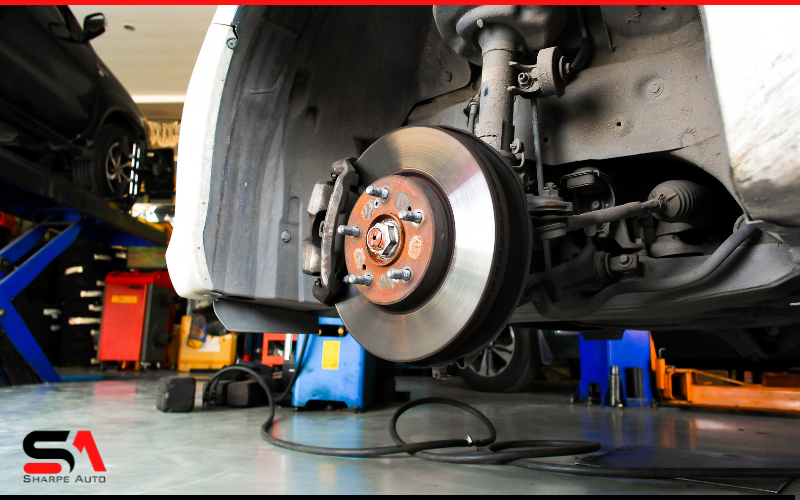
One of the most common noises drivers hear is a high-pitched squeal when pressing the brake pedal.
In most cases, this sound is caused by worn brake pads.
Brake pads are designed with a small metal indicator that produces a squealing sound when the pads become too thin. It’s actually a built-in warning system to let drivers know it’s time for service.
What Happens If You Ignore Brake Noise?
If brake pads continue wearing past the warning point, the metal backing plate can begin grinding against the brake rotor.
This can cause:
- Rotor damage
- Reduced braking performance
- Higher repair costs
Considering the hills and frequent braking on roads like Mission Gorge Road and Fanita Parkway, brake wear is something we see regularly here in Santee.
Grinding Sounds While Driving
Grinding noises are more serious than squealing and usually indicate metal components rubbing together.
Grinding sounds may occur when:
- Brake pads are completely worn out
- Debris becomes lodged in the brake system
- Wheel bearings begin failing
When drivers hear grinding, it’s important to stop driving the vehicle as soon as possible and have it inspected.
Ignoring grinding noises can lead to severe damage and unsafe driving conditions.
Clicking Sounds When Turning
If you hear a clicking or popping sound while turning, especially at low speeds, the issue may involve the CV joints.
CV joints connect the transmission to the wheels and allow the wheels to move while the vehicle turns and the suspension moves.
Over time, the protective rubber boot around the joint may tear, allowing grease to leak out and debris to enter.
When that happens, the joint begins to wear and produces the clicking sound drivers often notice during turns.
Left untreated, the CV joint can eventually fail completely.
Knocking Sounds From the Engine
Engine knocking is a sound no driver wants to hear.
This noise can come from several causes, including:
- Improper fuel combustion
- Low engine oil levels
- Worn internal engine components
- Timing issues
Sometimes the sound is subtle, but over time it can become louder and more noticeable.
Engine noises should always be evaluated quickly because they may indicate internal wear that could lead to major engine damage if ignored.
Regular oil changes and maintenance are one of the best ways to protect your engine from these issues.
Humming or Growling While Driving
Another noise drivers frequently describe is a humming or growling sound while driving, especially at higher speeds.
This type of noise often points to wheel bearing wear.
Wheel bearings support the vehicle’s wheels and allow them to rotate smoothly.
As they wear down, they may produce a sound that gradually gets louder with speed.
Drivers may also notice:
- Vibration in the steering wheel
- Uneven tire wear
- Noise that changes when turning
Wheel bearings rarely fail suddenly, but they do require replacement when worn.
Whining Sounds When Accelerating
If your vehicle makes a whining or high-pitched sound while accelerating, it could be related to the transmission.
Transmission noises may come from:
- Low transmission fluid
- Worn gears
- Failing bearings
- Internal component wear
Transmissions operate under high pressure and temperature, so even small problems can escalate quickly if left untreated.
Regular fluid inspections and maintenance help protect the transmission and prevent expensive repairs.
Rattling Sounds Under the Vehicle
Rattling noises are another issue that drivers often notice.
These sounds can come from several areas including:
- Loose heat shields
- Exhaust system components
- Engine mounts
- Suspension components
Sometimes rattling is relatively minor, but other times it indicates a component that could fail completely if ignored.
A quick inspection usually reveals the source of the problem.
Why Santee Driving Conditions Can Contribute to Vehicle Noises
Local driving conditions can influence how quickly vehicle components wear out.
Drivers in Santee, California frequently encounter:
- Steep hills
- Warm summer temperatures
- Stop-and-go traffic
- Dust and dry conditions
These factors place additional stress on brakes, suspension systems, and cooling systems.
For example, frequent braking on hills accelerates brake wear, while heat can shorten the lifespan of fluids and rubber components.
Over time, these conditions can cause the types of noises many drivers notice.
Experience Matters When Diagnosing Vehicle Sounds
When someone brings a vehicle into our shop with a noise concern, the first step is always a thorough inspection.
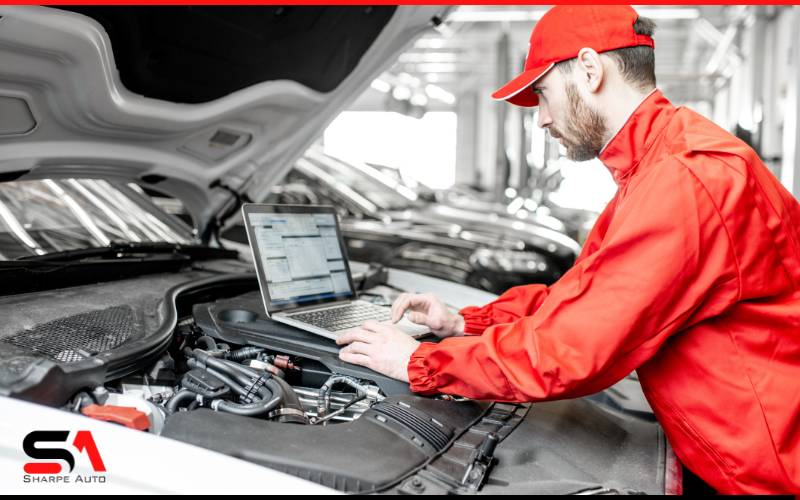
At Sharpe Automotive, our technicians use both experience and modern diagnostic tools to determine the cause of unusual sounds.
Our team includes experienced Santee auto repair technicians who have worked on thousands of vehicles across many makes and models.
Because we service vehicles every day in East County, we’re familiar with the types of issues that commonly affect drivers in this area.
Why Certification and Training Matter
Automotive technology continues to evolve rapidly.
Modern vehicles rely on complex electronics, sensors, and computer systems that require specialized training to diagnose properly.
At Sharpe Automotive, quality is more than just a promise.
Our shop proudly maintains respected industry certifications including:
- ASE (Automotive Service Excellence)
- SEMA (Specialty Equipment Market Association)
- Better Business Bureau (BBB) accreditation
These certifications reflect our commitment to maintaining high standards of service and staying current with modern automotive technology.
Preventing Vehicle Problems Before They Start
One of the best ways to avoid strange noises and mechanical problems is consistent preventative maintenance.
Regular inspections help identify early signs of wear before they turn into serious repairs.
Preventative maintenance often includes:
- Oil changes
- Brake inspections
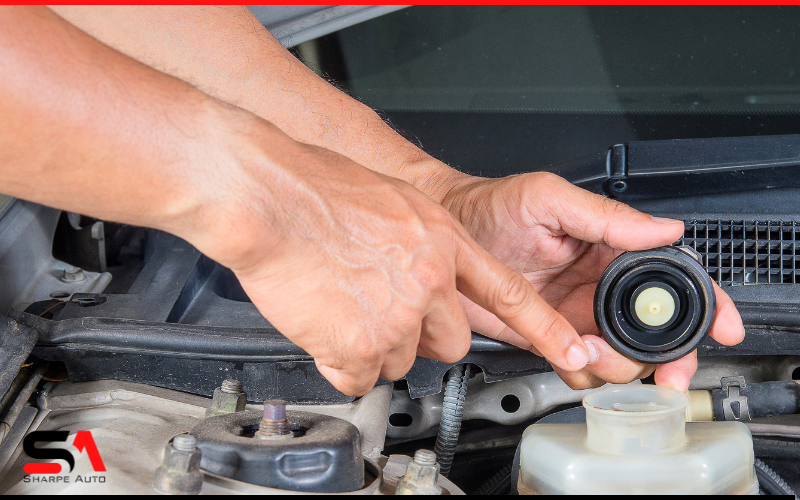
- Fluid checks
- Suspension inspections
- Cooling system maintenance
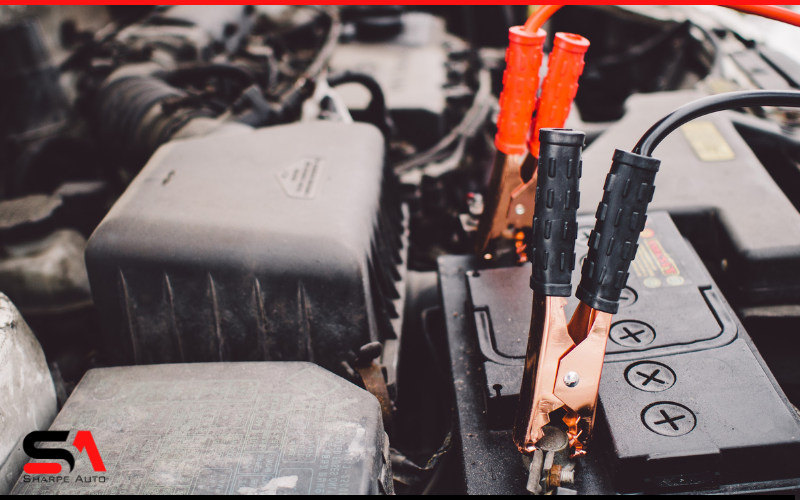
- Battery testing
By staying ahead of maintenance, drivers can keep their vehicles running reliably for many years.
Book an Appointment Today
If your vehicle is making an unusual sound, it’s important not to ignore it.
Strange noises are often your car’s way of warning you that something needs attention.
At Sharpe Automotive, our team provides honest inspections and accurate diagnostics for drivers throughout Santee and East County San Diego.
(619) 456-4880
8517 Ablette Rd, Santee, CA 92071
Mon – Fri | 8:00 AM – 5:00 PM
If you notice unusual sounds while driving, the safest step is to schedule vehicle diagnostics in Santee so the issue can be identified and addressed quickly.
Our goal is simple: keep your vehicle safe, reliable, and running at its best.