Why Your Car Shakes When You Brake — And What It Means
By Dean Sharpe, Owner of Sharpe Automotive – Santee, California
Quick Answer: Why Does a Car Shake When Braking?
If your car shakes when you brake, it often means there is an issue with the braking system, suspension, or steering components. Common causes include:
Warped brake rotors
Uneven brake pad wear
Suspension wear
Tire or wheel issues
Steering system problems
A shaking or vibrating sensation while braking should not be ignored, because it can affect stopping performance and may point to parts that are wearing out faster than they should.
At Sharpe Automotive, we help drivers identify the source of braking vibration before it leads to more expensive repairs or safety concerns. If your vehicle is shaking while stopping, it may be time to schedule vehicle diagnostics in Santee and have it properly inspected.
Why Brake Vibrations Should Never Be Ignored
One of the more common concerns drivers bring into the shop is:
“My car shakes when I brake, but only sometimes.”
That’s usually how it starts.
Maybe it happens:
- at freeway speeds
- going downhill
- when braking harder than usual
- only after the car warms up
At first, it can feel like a minor annoyance.
But over time, that vibration usually gets worse.
And when a vehicle starts shaking during braking, it’s almost always a sign that something is no longer working the way it should.
That doesn’t automatically mean a huge repair is coming — but it does mean the vehicle needs attention.
The Most Common Cause: Warped Brake Rotors
The number one cause of shaking during braking is often brake rotor problems.
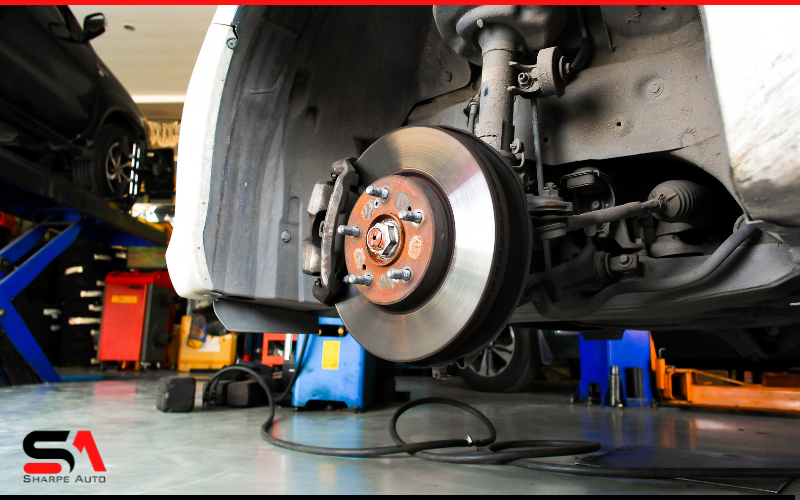
Brake rotors are the smooth metal discs your brake pads press against to slow the vehicle down.
Over time, rotors can develop:
- uneven wear
- hot spots
- thickness variation
- surface irregularities
When that happens, the brake pads no longer make smooth, even contact.
That uneven contact creates the vibration drivers feel through the:
- brake pedal
- steering wheel
- seat
- entire vehicle
Why Rotors Warp or Wear Unevenly
A few common reasons include:
- repeated hard braking
- overheating
- low-quality brake components
- delayed brake maintenance
- downhill driving
And here in Santee, that last one matters.
Why Santee Driving Conditions Can Contribute to Brake Wear
Driving in East County San Diego can be harder on brakes than people realize.
Between:
- hills and elevation changes
- stop-and-go traffic
- hot summer temperatures
- daily commuting
vehicles here often go through braking systems faster than they would in flatter, cooler areas.
If you regularly drive roads like:
- Mission Gorge Road
- Fanita Parkway
- Carlton Oaks Drive
- Mast Boulevard
Your brakes are likely working harder than average.
That extra heat and repeated braking can absolutely contribute to brake rotor wear and vibration over time.
Uneven Brake Pad Wear Can Also Cause Shaking
Brake pads don’t always wear evenly.
If one side of the brake system is wearing differently than the other, or if the pads are no longer making proper contact, you may feel a pulsing or vibration when slowing down.
Uneven brake pad wear can happen because of:
- sticking calipers
- improper installation
- poor-quality pads
- worn hardware
This is one reason it’s important not to just “throw parts at the problem.”
A proper inspection matters.
Suspension Issues Can Feel Like Brake Problems
Sometimes the braking system isn’t the only thing involved.
A vehicle with worn suspension or steering components may also shake when braking because the force of stopping exposes looseness in the front end.
Possible suspension-related causes include:
- worn control arm bushings
- bad tie rods
- worn ball joints
- failing shocks or struts
These components help keep the vehicle stable and controlled during braking.
If they’re worn, you may feel:
- front-end vibration
- pulling while braking
- looseness in the steering wheel
- instability during stops
This is one reason a full inspection is so important instead of assuming it’s “just brakes.”
Tire and Wheel Problems Can Add to the Issue
Sometimes a braking vibration is made worse by tire or wheel issues.
For example:
- uneven tire wear
- out-of-balance wheels
- bent wheels
- alignment problems
These may not be the root cause, but they can absolutely make the shaking feel worse.
In some cases, drivers think they have a brake issue when they’re actually feeling a combination of:
- brake rotor vibration
- suspension looseness
- tire-related imbalance
That’s why diagnostics matter.
Is It Safe to Keep Driving?
This depends on how severe the shaking is — but in general:
it’s not something you want to ignore.
A small vibration may not mean your brakes are about to fail immediately, but it does mean something is wearing or functioning improperly.
If the shaking gets worse, or if you also notice:
- grinding sounds
- pulling when braking
- longer stopping distances
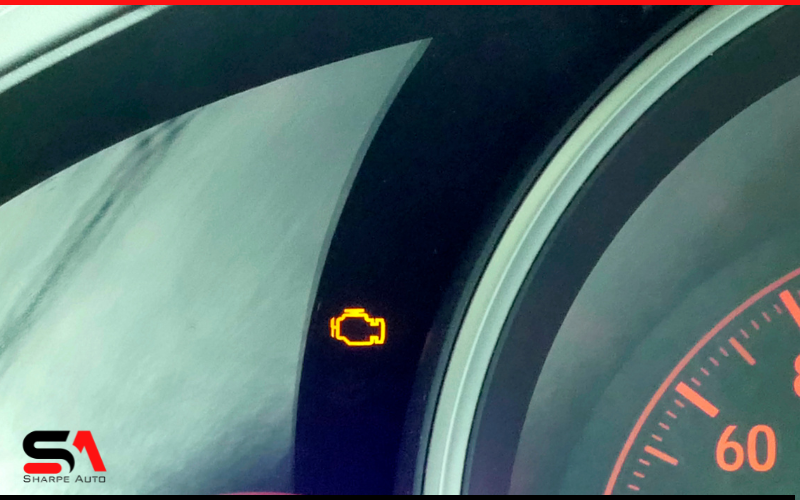
- brake warning lights
- burning smells
Then the issue should be inspected as soon as possible.
Braking performance is not an area where it makes sense to “wait and see.”
What a Proper Brake Vibration Inspection Should Include
When a customer brings us a vehicle with this concern, we don’t just assume the problem.
At Sharpe Automotive, we inspect the full system to determine what’s actually causing the shake.
A proper inspection may include checking:
- brake rotors
- brake pads
- calipers
- suspension components
- steering parts
- tire wear
- wheel condition
This is important because a brake vibration can sometimes have more than one contributing cause.
And if you only replace the obvious part without identifying the full issue, the problem may come back.
Why Diagnostics Save Drivers Money
One of the most expensive things drivers can do is guess wrong.
A lot of vibration issues get partially repaired without fully solving the root cause.
For example:
- replacing pads without checking rotors
- resurfacing rotors without checking suspension
- replacing one part while another worn part is still causing the shake
That’s why we always recommend a proper inspection first.
If your vehicle is vibrating when you stop, it’s smart to schedule vehicle diagnostics in Santee so the actual source can be identified and corrected the right way.
That saves time, money, and repeat repairs.
What I Usually Tell Drivers About Brake Problems
If your car is shaking when you brake, your vehicle is giving you information.
It may not be an emergency yet — but it is a sign.
And the longer you wait, the more likely it is that:
- the vibration gets worse
- other components wear faster
- the repair becomes more expensive
This is especially true when braking issues are allowed to continue for weeks or months.
Preventative Maintenance Helps Catch This Earlier
One of the reasons regular inspections matter is because many brake and suspension issues can be caught before they become obvious.
Routine maintenance visits can help identify:
- uneven brake wear
- early rotor damage
- worn front-end parts
- fluid concerns
- tire wear patterns
That’s one of the biggest advantages of staying ahead of maintenance instead of waiting until something feels wrong.
Why Drivers in Santee Trust Sharpe Automotive
At Sharpe Automotive, we take vehicle safety seriously.
As a family-owned auto repair shop in Santee, our goal is to provide honest inspections, quality workmanship, and repairs that are done the right way.
Our team is backed by respected industry certifications including:
- ASE (Automotive Service Excellence)
- SEMA (Specialty Equipment Market Association)
- Better Business Bureau (BBB) accreditation
These credentials reflect our commitment to maintaining high standards and staying current with modern automotive repair practices.
When drivers trust us with their vehicle, we don’t take that lightly.
Book an Appointment Today
If your vehicle shakes when you brake, don’t ignore it and hope it goes away.
At Sharpe Automotive, we help drivers throughout Santee and East County San Diego identify brake, suspension, and steering issues before they turn into bigger problems.
(619) 456-4880
8517 Ablette Rd, Santee, CA 92071
Mon – Fri | 8:00 AM – 5:00 PM
If your car is vibrating while slowing down, it may be time to schedule vehicle diagnostics in Santee and let our team find the cause.
If you’re looking for experienced Santee auto repair technicians, we’re here to help.
FAQs
1. Why does my car shake when I brake at high speeds?
This is often caused by warped brake rotors or uneven brake pad contact, which becomes more noticeable when braking from higher speeds.
2. Can bad brake pads cause my car to shake?
Yes. Unevenly worn or improperly contacting brake pads can contribute to vibration or pulsing during braking.
3. Can suspension problems make my car shake when braking?
Yes. Worn suspension or steering parts can make braking vibrations worse or create a shaking sensation when the vehicle slows down.
4. Is it dangerous if my steering wheel shakes when I brake?
It can be. A shaking steering wheel while braking may indicate brake, suspension, or front-end issues that should be inspected for safety.
5. Where can I get my brakes inspected in Santee, CA?
Drivers in Santee can visit Sharpe Automotive for professional diagnostics and brake system inspections.