What a Good Auto Repair Inspection Should Actually Include
Quick Answer: What Should Be Checked During a Vehicle Inspection?
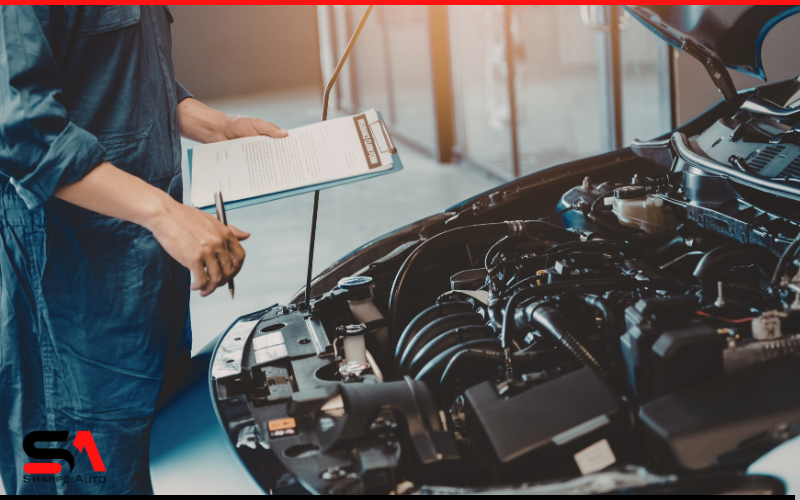
A thorough vehicle inspection should evaluate the major systems that affect your vehicle's safety, reliability, and performance.
Depending on the vehicle and reason for the inspection, technicians may check:
- Brakes
- Tires and tire wear
- Steering and suspension
- Engine oil and other fluids
- Belts and hoses
- Battery and charging system
- Cooling system
- Fluid leaks
- Warning lights
- Lights and other safety equipment
- Overall vehicle condition and drivability
The goal isn't simply to find something that needs repair today. A good inspection should also identify developing problems and maintenance needs so you can make informed decisions about your vehicle.
Why Vehicle Inspections Are So Valuable
After years of working on vehicles, I've learned that many expensive repairs don't happen without warning.
There are often clues first.
A hose begins deteriorating. A small fluid leak develops. Brake pads get thinner. A tire begins wearing unevenly. A battery gets weaker.
Drivers don't always notice these changes because they happen gradually.
That's one of the biggest advantages of a thorough vehicle inspection.
It gives us an opportunity to evaluate the vehicle as a whole rather than waiting until a component completely fails.
A good inspection can help identify:
- Normal wear that should be monitored
- Maintenance that's coming due
- Safety concerns
- Fluid leaks
- Worn components
- Problems that deserve further diagnosis
That doesn't mean everything discovered during an inspection needs to be repaired immediately.
A good technician should be able to explain what needs attention now, what can wait, and what should simply be monitored.
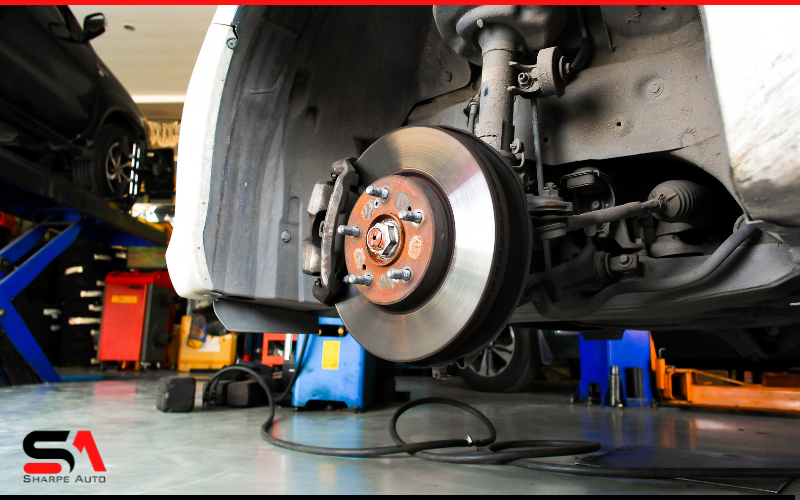
1. Brake System
Your brakes are one of the most important safety systems on the vehicle, so they deserve careful attention.
Depending on the vehicle and type of inspection, technicians may evaluate:
- Brake pad thickness
- Rotor condition
- Brake-fluid condition
- Calipers
- Brake hoses and lines
- Signs of uneven wear
- Unusual noises or vibration
Brake problems can develop gradually.
You may not notice anything until you begin hearing squealing or grinding, feel a vibration when stopping, or notice a change in braking performance.
Catching brake wear earlier can give you more time to plan for service and may help prevent damage to additional braking components.
2. Tires and Tire Wear
Tires provide useful information about more than just remaining tread.
During an inspection, technicians may look at:
- Tread depth
- Tire pressure
- Uneven tread wear
- Sidewall condition
- Cracks or visible damage
- Wear patterns that could suggest alignment or suspension concerns
Uneven wear can sometimes provide clues about other issues with the vehicle.
For example, abnormal tire wear may be associated with improper inflation, alignment concerns, or worn steering or suspension components.
Since your tires affect braking, traction, handling, and ride quality, they're an important part of any vehicle inspection.
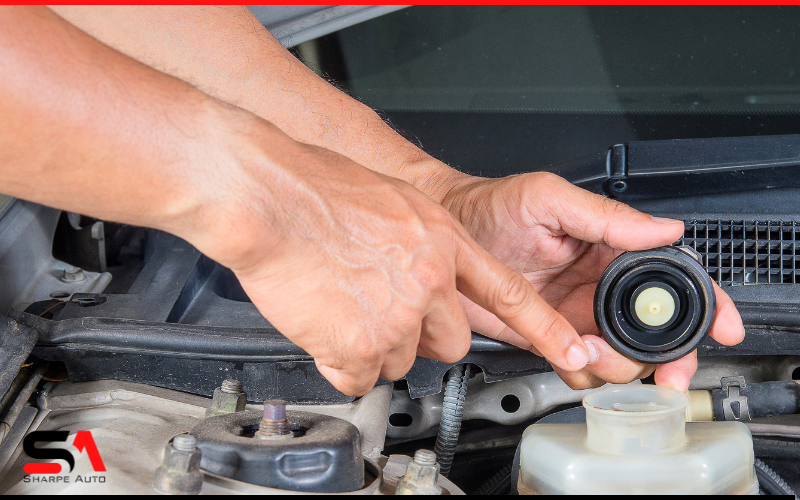
3. Engine Oil and Other Fluids
Modern vehicles depend on several different fluids to operate properly.
Depending on the vehicle, an inspection may include checking:
- Engine oil
- Coolant
- Brake fluid
- Transmission fluid
- Power-steering fluid, when applicable
- Differential or drivetrain fluids, when applicable
- Windshield washer fluid
Technicians aren't necessarily looking only at whether a fluid reservoir is full.
Fluid level, condition, signs of contamination, and evidence of leaks can all provide useful information about the vehicle.
For example, an unusually low fluid level may indicate a leak or another condition that deserves investigation.
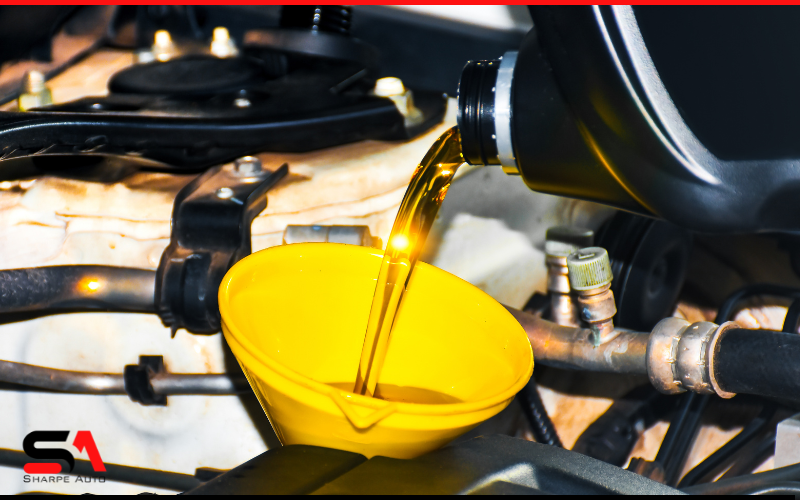
If your vehicle is due for routine engine maintenance, you can also learn more about our oil change service in Santee.
4. Cooling System
The cooling system is particularly important for vehicles driven in hot climates.
Here in Santee and East County, summer temperatures can put considerable demand on a vehicle's cooling system.
Depending on the inspection, technicians may evaluate:
- Coolant level and condition
- Radiator
- Cooling-system hoses
- Visible leaks
- Cooling fans
- Related components
Cooling-system problems shouldn't be ignored because severe overheating can cause significant engine damage.
If you've noticed the temperature gauge climbing, coolant leaking, or other overheating symptoms, the vehicle may need more than a routine inspection.
5. Belts and Hoses
Belts and hoses live in a demanding environment.
They're repeatedly exposed to:
- Engine heat
- Temperature changes
- Pressure
- Vibration
- Age
Over time, rubber components can harden, crack, swell, leak, or otherwise deteriorate.
An inspection may reveal a belt or hose that's beginning to show signs of age before it actually fails.
That's exactly the type of developing problem a preventative inspection is designed to identify.
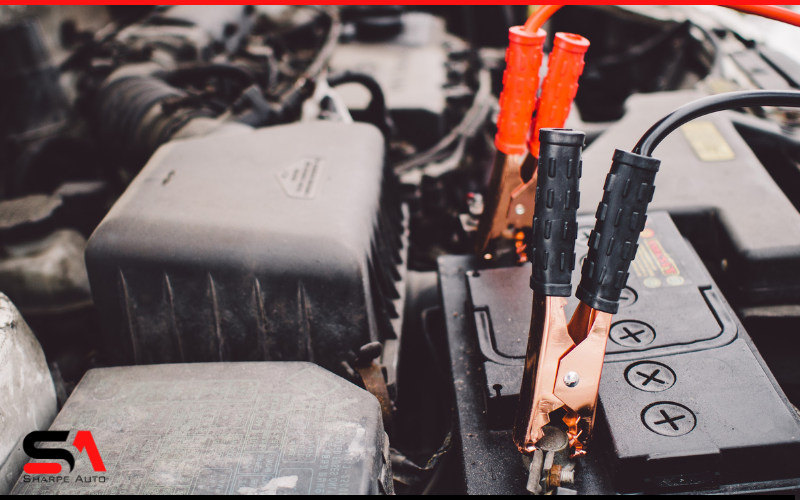
6. Battery and Charging System
Nobody wants to discover a weak battery when their vehicle refuses to start.
Depending on the inspection and available testing, technicians may look at:
- Battery condition
- Battery terminals and connections
- Signs of corrosion
- Battery performance
- Charging-system concerns
Heat can also be hard on automotive batteries, making battery condition particularly relevant for Southern California drivers.
A battery may continue starting the vehicle while gradually losing capacity, so testing can sometimes identify weakness before complete failure.
7. Suspension and Steering
Suspension and steering components wear gradually, which means drivers often adjust to changes without realizing it.
An inspection may include evaluating components such as:
- Shocks and struts
- Ball joints
- Bushings
- Steering components
- Related suspension parts
Wear in these systems can affect:
- Handling
- Steering feel
- Ride quality
- Tire wear
- Vehicle stability
Unusual clunking, wandering, pulling, excessive bouncing, or uneven tire wear can all be reasons to take a closer look.
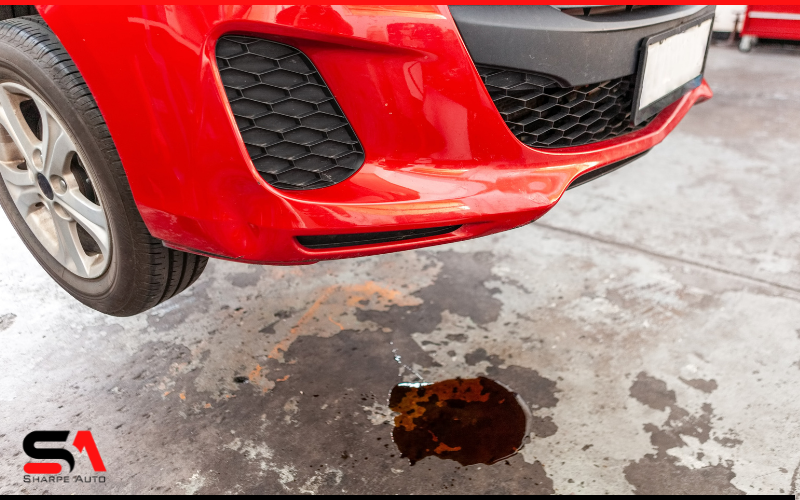
8. Fluid Leaks
A few drops underneath your vehicle can be easy to ignore.
But identifying what is leaking and where it's coming from is important.
Technicians may look for signs of:
- Engine oil leaks
- Coolant leaks
- Transmission-fluid leaks
- Brake-fluid leaks
- Other fluid loss
Not every small leak represents an emergency.
However, leaks can worsen over time, and allowing certain fluids to become too low can cause much larger problems.
An inspection gives you an opportunity to understand the severity of the leak before deciding what to do next.
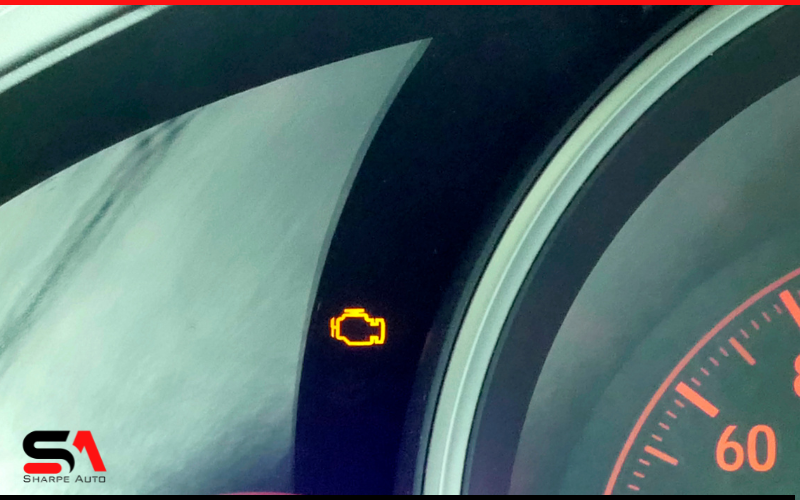
9. Dashboard Warning Lights
Dashboard warning lights deserve attention, but this is where it's important to distinguish an inspection from diagnostics.
If the check engine light, ABS light, battery warning, or another warning indicator is illuminated, identifying the actual cause may require dedicated diagnostic testing.
A routine visual inspection isn't necessarily enough.
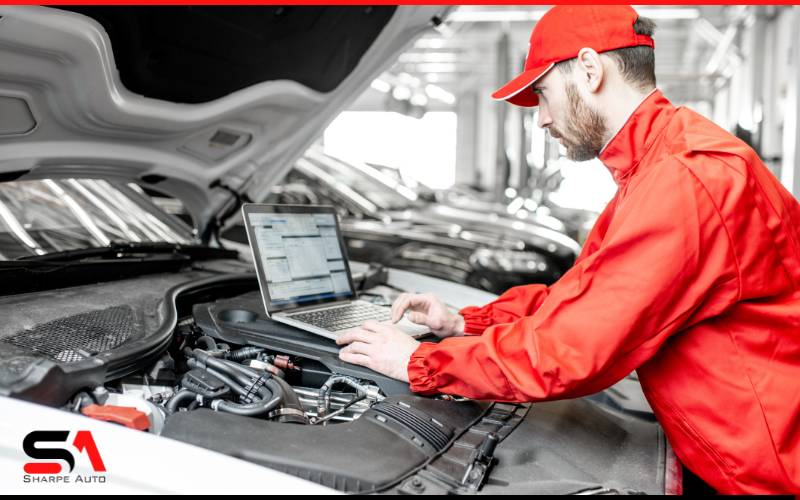
Professional diagnostics can involve retrieving trouble codes, reviewing live vehicle data, testing components, and determining why the computer detected a problem.
If your vehicle already has a warning light illuminated, learn more about vehicle diagnostics in Santee.
10. Overall Vehicle Condition
One of the advantages of having an experienced technician look over the vehicle is being able to consider individual findings as part of the bigger picture.
The vehicle's:
- Age
- Mileage
- Maintenance history
- Driving conditions
- Previous repairs
- Current symptoms
can all provide useful context.
A 30,000-mile commuter and a 150,000-mile truck used for towing shouldn't necessarily be evaluated exactly the same way.
A useful inspection considers how the vehicle is actually being used.
What a Vehicle Inspection Doesn't Necessarily Include
This distinction is important.
An inspection and a diagnostic procedure aren't always the same thing.
An inspection generally looks for visible wear, maintenance concerns, safety issues, leaks, and other signs that something deserves attention.
Diagnostics go deeper when there's a specific symptom or warning that needs to be explained.
For example, an inspection might identify that:
- A check engine light is illuminated
- The engine is running roughly
- A fluid leak is present
- A tire is wearing abnormally
But determining the exact cause may require additional testing.
A good repair shop should explain when further diagnosis is recommended rather than pretending a quick inspection can answer every mechanical question.
When Should You Have Your Vehicle Inspected?
There isn't one inspection schedule that's right for every vehicle.
However, an inspection can be particularly useful:
- During routine maintenance visits
- Before a long road trip
- When buying or evaluating a used vehicle
- Before towing or heavy use
- When a vehicle reaches higher mileage
- When you notice a new noise, vibration, smell, or change in performance
- When you haven't had the vehicle looked over in a while
Your owner's manual and manufacturer maintenance schedule should remain important references for vehicle-specific maintenance intervals.
High-Mileage Vehicles Deserve Extra Attention
As vehicles accumulate mileage, more components naturally begin experiencing age-related wear.
That doesn't mean a high-mileage vehicle is unreliable.
Many vehicles can remain dependable well beyond 100,000 miles when they're properly maintained.
But inspections become increasingly useful for identifying things such as:
- Aging hoses
- Fluid leaks
- Suspension wear
- Brake wear
- Cooling-system concerns
- Maintenance that's coming due
If you're planning to keep an older vehicle for years, read our guide on why regular maintenance is especially important for high-mileage vehicles.
Santee Driving Conditions Can Affect Vehicle Wear
Where and how you drive matters.
Santee drivers regularly experience a combination of:
- Hot summer temperatures
- Stop-and-go traffic
- Freeway commuting
- Hills
- Short local trips
- Towing and hauling
Different driving conditions place stress on different vehicle systems.
For example, frequent braking can contribute to brake wear, while high temperatures can be demanding on batteries and cooling systems.
That's why I prefer looking at the whole vehicle rather than assuming mileage alone tells us everything we need to know.
A Good Inspection Should Help You Plan—Not Pressure You
This is one of the most important parts of the inspection process.
Finding wear doesn't necessarily mean every item needs immediate replacement.
A useful inspection should help separate findings into categories:
Needs attention now:
Safety concerns, active failures, serious leaks, or other problems that shouldn't be postponed.
Plan for soon:
Components showing significant wear or maintenance that's approaching.
Monitor:
Items that are beginning to age or wear but aren't currently creating a significant problem.
That information gives you a better understanding of your vehicle and allows you to budget and plan for future maintenance.
At Sharpe Automotive, that's what I believe an inspection should accomplish.
The Value of Catching Problems Early
Preventative maintenance isn't about trying to make a vehicle perfect.
It's about catching manageable problems before they have an opportunity to become much larger ones.
A small leak may be easier to address before the fluid level becomes dangerously low.
Worn brake pads may be easier to address before other braking components are damaged.
A deteriorating hose may be easier to replace in the shop than after it fails on the road.
You can't prevent every breakdown.
But understanding your vehicle's condition gives you a much better opportunity to make informed maintenance decisions.
Schedule a Vehicle Inspection in Santee
If you haven't had your vehicle inspected recently, a thorough evaluation can give you a clearer picture of its overall condition and upcoming maintenance needs.
At Sharpe Automotive, we focus on identifying concerns, explaining what we've found, and helping drivers decide what deserves attention.
Sharpe Automotive
8517 Ablette Rd.
Santee, CA 92071
(619) 456-4880
Monday–Friday | 8:00 AM–5:00 PM
If an inspection reveals a specific warning light or drivability concern, our professional vehicle diagnostics can help determine the underlying cause.
Frequently Asked Questions
What should be included in a vehicle inspection?
A thorough vehicle inspection may include brakes, tires, fluids, steering and suspension, belts and hoses, battery condition, cooling-system components, leaks, warning lights, and other items related to vehicle safety and reliability.
Is a vehicle inspection the same as diagnostic testing?
No. An inspection generally evaluates the vehicle for visible wear, maintenance needs, leaks, safety concerns, and other potential problems. Diagnostics involve more targeted testing to determine the cause of a particular symptom or warning.
How often should I have my vehicle inspected?
There isn't one schedule appropriate for every vehicle. Inspections are commonly useful during routine maintenance, before long trips, as vehicles accumulate mileage, or whenever you notice a new symptom or change in performance. Follow your manufacturer's recommendations for vehicle-specific maintenance.
Can a vehicle inspection prevent breakdowns?
An inspection cannot prevent every breakdown, but it can identify some worn, leaking, or deteriorating components before they fail. Finding problems earlier may give you an opportunity to repair or monitor them before they become more serious.
What should I do if an inspection finds several problems?
Ask which items require immediate attention, which should be planned for soon, and which can simply be monitored. A good inspection should help you prioritize repairs rather than treating every finding as equally urgent.
Are vehicle inspections important for high-mileage cars?
They can be especially useful as vehicles age because seals, hoses, suspension components, cooling-system parts, and other components naturally experience wear over time.
Where can I get a vehicle inspection in Santee?
Sharpe Automotive provides vehicle inspections, maintenance, diagnostics, and repairs for drivers in Santee and surrounding East County communities.