Preventative Vehicle Maintenance Guide for Santee Drivers
How Routine Maintenance Can Help Your Vehicle Last Longer and Avoid Costly Repairs
By Dean Sharpe, Owner of Sharpe Automotive
Most drivers would rather spend a little money maintaining their vehicle today than face a major repair tomorrow. The problem is knowing what maintenance actually matters, when it should be performed, and which warning signs shouldn't be ignored.
I'm Dean Sharpe, owner of Sharpe Automotive here in Santee. One thing I've seen repeatedly over the years is that many expensive automotive repairs don't begin as major problems. They start with something small—a fluid leak, worn brake component, aging battery, deteriorating hose, or warning light that gets put off.
Preventative maintenance gives you an opportunity to catch those problems earlier.
And here in Santee, our heat, traffic, hills, commuting, towing, and everyday driving conditions can put additional stress on vehicles.
Here's what I believe local drivers should know about keeping their cars and trucks reliable for the long haul.
What Is Preventative Vehicle Maintenance?
Preventative maintenance means servicing and inspecting your vehicle before something fails.
Rather than waiting for a breakdown, you're monitoring the condition of important components and replacing or servicing them as they wear.
Depending on the vehicle, preventative maintenance may include:
- Oil and filter changes
- Fluid inspections
- Brake inspections
- Battery testing
- Cooling system inspections
- Belt and hose inspections
- Tire inspections
- Spark plug replacement
- Filter replacement
- Steering and suspension inspections
- Manufacturer-recommended services
Not every vehicle needs the same maintenance at the same mileage. Your vehicle's age, mileage, manufacturer recommendations, driving habits, and operating conditions all matter.
That's why I prefer looking at the vehicle as a whole rather than relying on one generic maintenance schedule.
Why Preventative Maintenance Can Save You Money
The biggest financial advantage of preventative maintenance is catching problems while they're still manageable.
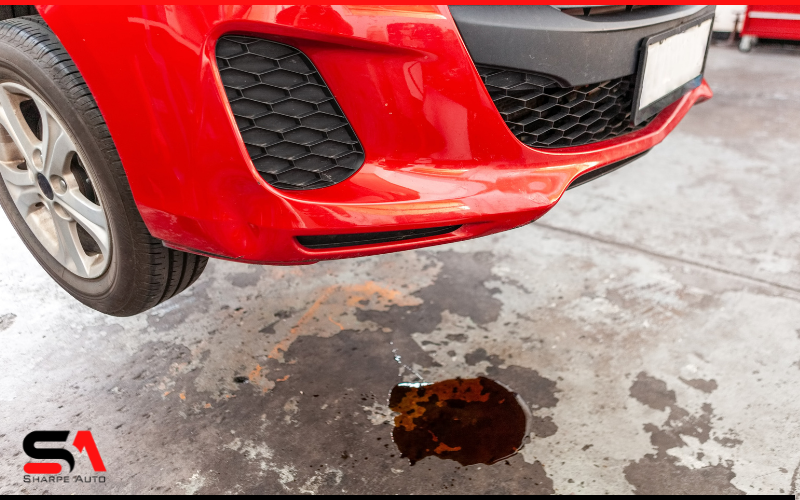
Consider a small oil leak.
At first, you may notice only a few drops underneath your vehicle. If the leak becomes worse and the engine runs low on oil, however, internal engine components may no longer receive adequate lubrication.
A relatively minor leak can eventually contribute to a much more serious problem.
The same principle applies throughout your vehicle.
Worn brake pads can eventually damage other braking components. A small coolant leak can turn into an overheating problem. A deteriorating belt can eventually break. A weak battery can leave you stranded.
Preventative maintenance doesn't guarantee you'll never need repairs, but it gives you a much better opportunity to address normal wear before it causes additional damage.
Oil Changes Remain One of the Most Important Maintenance Services
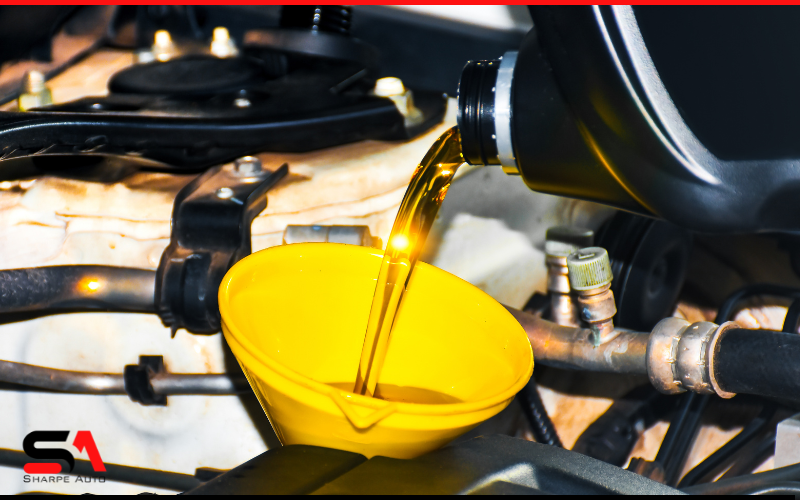
Engine oil lubricates internal engine components, reduces friction, helps manage heat, and carries contaminants away from critical surfaces.
Over time, oil becomes contaminated and its ability to protect your engine decreases.
How frequently you need an oil change depends on several factors, including:
- Vehicle manufacturer recommendations
- Engine design
- Oil type
- Mileage
- Driving habits
- Vehicle age
Drivers who make frequent short trips, tow regularly, spend significant time in stop-and-go traffic, or operate vehicles under demanding conditions may have different maintenance needs than drivers who primarily travel long highway distances.
If you're due for service, you can learn more about our oil change service in Santee.
Don't Overlook Your Vehicle's Fluids
Engine oil gets most of the attention, but it's only one of several important fluids in a modern vehicle.
Depending on your vehicle, you may also need to monitor:
- Coolant
- Brake fluid
- Transmission fluid
- Power steering fluid
- Differential fluid
- Windshield washer fluid
Fluids don't last forever.
They can become contaminated, deteriorate from heat, or drop because of a leak.
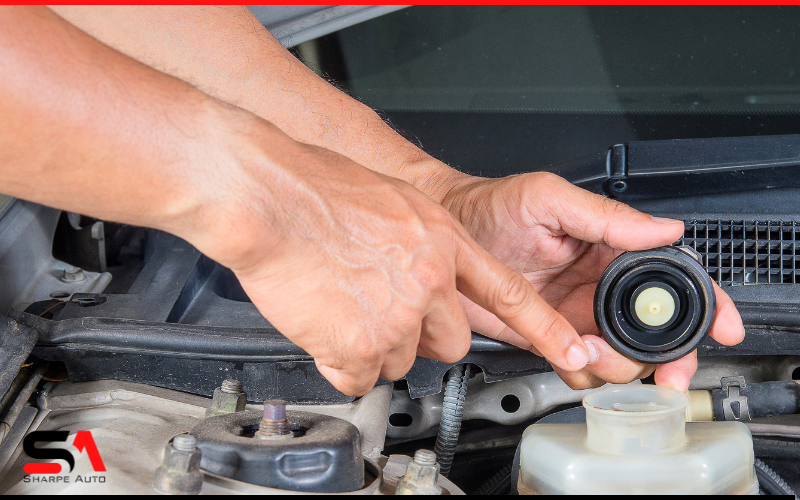
Routine inspections provide an opportunity to evaluate fluid condition and identify leaks before they create larger mechanical problems.
Santee Heat Can Be Hard on Cooling Systems
Anyone who has spent a summer in East County knows how hot it can get.
Your vehicle knows too.
The cooling system has to manage tremendous amounts of heat even under normal operating conditions. Hot weather, traffic, towing, and air-conditioning use can add to those demands.
Important cooling-system components include:
- Radiator
- Coolant
- Water pump
- Thermostat
- Cooling fans
- Hoses
If the temperature gauge begins climbing higher than normal, you see coolant leaking, or your vehicle begins overheating, don't ignore it.
Overheating can cause serious engine damage.
Your Battery Deserves More Attention Than You Think
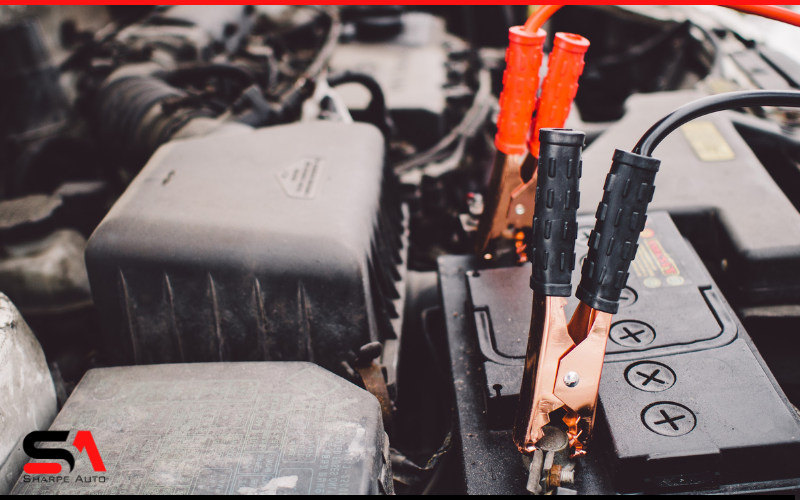
Drivers often associate battery problems with cold weather, but heat can also be hard on automotive batteries.
That's especially relevant in Southern California.
As batteries age, their ability to hold a charge decreases. You may notice:
- Slower engine cranking
- Clicking when starting
- Dim lights
- Electrical problems
- Intermittent starting issues
Battery testing during routine maintenance can sometimes identify a weakening battery before it fails completely.
That's much more convenient than discovering the problem when your vehicle won't start.
Brake Inspections Should Be Part of Your Maintenance Plan
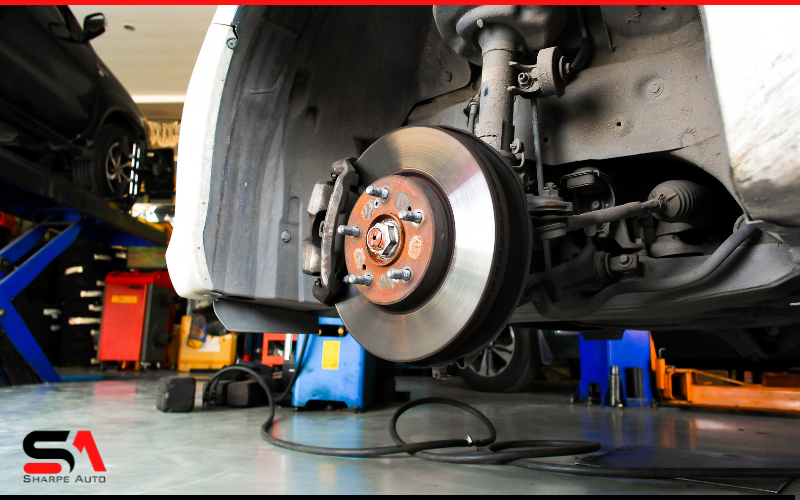
Brakes naturally wear with use.
How quickly they wear depends on your vehicle, driving style, traffic conditions, and other factors.
Stop-and-go driving can be particularly demanding because you're repeatedly accelerating and braking.
Common signs your brakes deserve attention include:
- Squealing
- Grinding
- Vibration while braking
- Longer stopping distances
- A brake warning light
- Changes in pedal feel
The earlier brake wear is identified, the more options you generally have for addressing it.
Steering and Suspension Components Wear Gradually
Steering and suspension problems aren't always obvious.
Components such as shocks, struts, bushings, ball joints, and tie rods can wear gradually over thousands of miles.
Possible warning signs include:
- Uneven tire wear
- Steering wheel vibration
- Pulling to one side
- Clunking noises
- Excessive bouncing
- Changes in steering feel
These symptoms are worth investigating rather than assuming they're simply part of driving an older vehicle.
Pay Attention to Your Check Engine Light
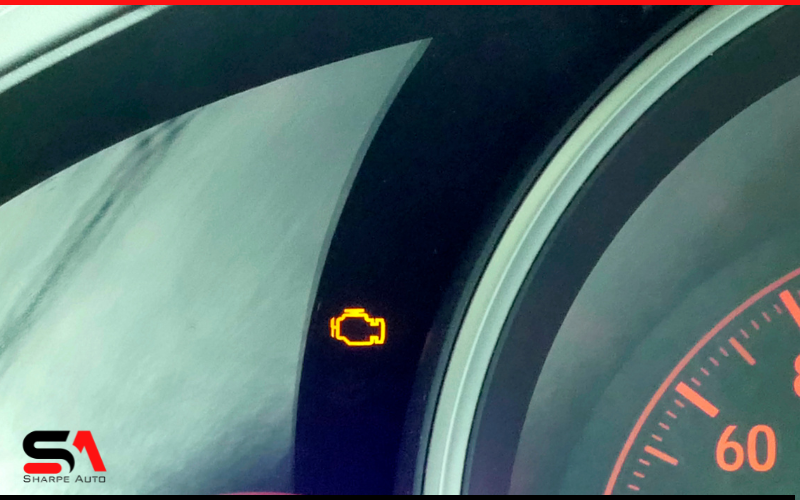
Your check engine light is your vehicle's way of telling you that its onboard computer has detected a problem.
But the light itself doesn't tell you exactly what needs to be repaired.
A trouble code provides technicians with information about the system detecting the problem. Proper diagnosis may require additional testing to determine the actual cause.
That's why replacing a part based solely on a trouble code isn't always the right approach.
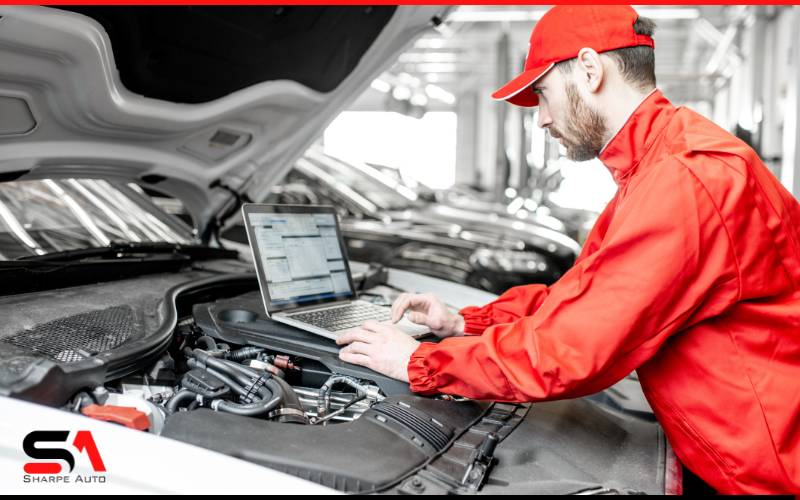
If your vehicle has a warning light or isn't running normally, professional vehicle diagnostics can help identify what's actually happening before repairs are recommended.
A flashing check engine light deserves particularly prompt attention.
Diesel Trucks Have Their Own Maintenance Needs
Diesel engines are built differently from gasoline engines and have their own maintenance requirements.
Modern diesel trucks may contain:
- Turbochargers
- High-pressure fuel systems
- Diesel particulate filters
- EGR systems
- DEF systems
- Specialized emissions equipment
Towing, hauling, job-site use, and heavy-duty driving can place even greater demands on these systems.
At Sharpe Automotive, we work with Powerstroke, Cummins, Duramax, and European diesel platforms. You can learn more about our diesel repair and maintenance services.
High-Mileage Vehicles Need a Different Approach
Reaching 100,000 miles doesn't automatically mean a vehicle is nearing the end of its useful life.
I've seen well-maintained vehicles continue providing dependable transportation well beyond that point.
As mileage increases, however, preventative maintenance becomes even more important.
Older vehicles may require additional attention to:
- Fluid leaks
- Cooling system components
- Belts and hoses
- Suspension wear
- Engine seals
- Ignition components
- Steering components
- Transmission and drivetrain condition
The goal isn't to replace everything simply because a vehicle is older.
The goal is to understand its condition and prioritize what actually needs attention.
Routine Inspections Give You Time to Plan
One of the biggest benefits of having your vehicle inspected regularly is that every problem doesn't have to become an emergency.
A technician may find something that doesn't need to be repaired today but should be watched.
That's useful information.
At our shop, I believe recommendations should make it clear what's urgent, what should be addressed soon, and what can reasonably be monitored.
That gives you time to plan repairs around your schedule and budget instead of being surprised by an unexpected breakdown.
Don't Ignore Changes in How Your Vehicle Drives
You know how your vehicle normally feels.
If something changes, pay attention.
Warning signs can include:
- New noises
- Vibrations
- Burning smells
- Fluid underneath the vehicle
- Poor acceleration
- Rough idling
- Difficulty starting
- Steering changes
- Reduced fuel economy
- Warning lights
Not every symptom indicates a major repair.
But finding out what's causing it is usually better than waiting for the symptom to become worse.
Local Driving Conditions Matter
A maintenance schedule shouldn't exist in a vacuum.
Santee and East County drivers encounter conditions such as hot summer temperatures, freeway commuting, stop-and-go traffic, hills, short trips, towing, and hauling.
Those conditions can affect how quickly certain components wear.
For example, frequent braking can increase brake wear. Heat can be demanding on batteries and cooling systems. Towing can place additional stress on engines, transmissions, brakes, and drivetrains.
Understanding how the vehicle is actually used helps create a more practical maintenance plan.
Preventative Maintenance Is About Keeping a Good Vehicle Good
People sometimes think preventative maintenance means looking for things to repair.
I look at it differently.
The goal is to keep a reliable vehicle reliable.
That means monitoring normal wear, following appropriate maintenance intervals, identifying problems early, and helping the owner understand what's happening with the vehicle.
A well-maintained car or truck can often provide many years of dependable service.
And in many cases, maintaining the vehicle you already own makes much more financial sense than dealing with repeated breakdowns—or replacing it sooner than necessary.
Build a Maintenance Plan Around Your Vehicle
There isn't one perfect maintenance schedule for every driver.
A newer commuter car and a high-mileage diesel truck used for towing shouldn't necessarily receive identical maintenance recommendations.
A good maintenance plan considers:
- Manufacturer recommendations
- Vehicle age
- Mileage
- Maintenance history
- Driving conditions
- How the vehicle is used
- Current component condition
That's why regular inspections and keeping good service records are so valuable.
Over time, you develop a much clearer picture of what your vehicle needs.
Keeping Santee Drivers on the Road
Preventative maintenance isn't about replacing parts before they're needed. It's about understanding your vehicle well enough to make informed decisions before small problems become expensive ones.
Whether your vehicle needs routine maintenance, diagnostics, an inspection, or a repair, having a shop that knows your vehicle's history can make long-term ownership much easier.
If you need a trusted auto repair shop in Santee, Sharpe Automotive provides preventative maintenance, diagnostics, and repair services for cars, trucks, SUVs, diesel vehicles, and all makes and models.
Our goal is to help you understand what your vehicle needs now, what can wait, and what you should plan for in the future.
Sharpe Automotive
8517 Ablette Rd.
Santee, CA 92071
(619) 456-4880
Monday–Friday, 8:00 AM–5:00 PM
Frequently Asked Questions
What is preventative vehicle maintenance?
Preventative maintenance includes routine services and inspections performed to help keep a vehicle operating properly and identify developing problems before they lead to breakdowns or additional damage.
How often should I have my vehicle inspected?
Inspection frequency depends on the vehicle's age, mileage, condition, and driving habits. Having key systems inspected during routine maintenance visits is a practical way to monitor wear and catch developing issues.
What are the most important vehicle maintenance services?
Engine oil changes, fluid inspections, brake inspections, battery testing, cooling system maintenance, tire care, and manufacturer-recommended services are among the most important. Exact requirements vary by vehicle.
Does Southern California heat affect vehicle maintenance?
Yes. High temperatures can place additional demands on batteries, cooling systems, fluids, belts, hoses, and other components. Regular inspections can help identify heat-related wear before it becomes a larger problem.
Should high-mileage vehicles be inspected more often?
High-mileage vehicles can benefit from closer attention to fluid leaks, cooling systems, belts, hoses, suspension components, and other parts that naturally wear with age and mileage.
Can preventative maintenance really save money?
Preventative maintenance can help identify smaller problems before they cause additional damage. While it can't prevent every repair, catching developing issues early can often reduce the likelihood of more expensive repairs and unexpected breakdowns.
Where can I get preventative vehicle maintenance in Santee?
Sharpe Automotive provides preventative maintenance, diagnostics, inspections, oil changes, diesel service, and automotive repairs for drivers throughout Santee and East County San Diego.