The Ultimate Oil Change Guide for Santee Drivers
Quick Answers for Santee Drivers
How often should I get an
oil change in Santee?
Most Santee drivers should change their oil every
5,000–7,500 miles, depending on vehicle type, oil used, and driving habits.
Is synthetic oil worth it in East County?
Yes. Santee’s heat, hills, and stop-and-go traffic make
synthetic oil a smart long-term choice for most vehicles.
Does local driving affect oil life?
Absolutely. Short trips, heavy traffic, and warm temperatures all cause oil to break down faster.
Why Oil Changes Matter More Than Most Drivers Think
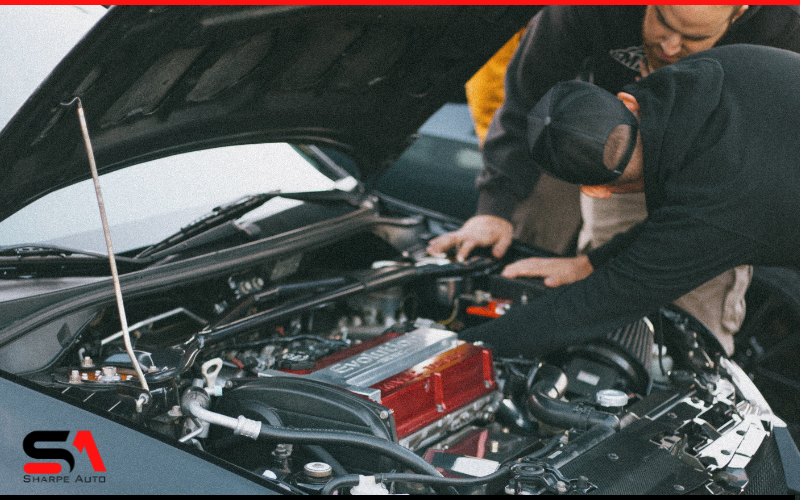
I’m Dean Sharpe, owner of Sharpe Automotive, and I’ve spent decades under the hood of vehicles driven right here in Santee. If there’s one service I wish more drivers understood, it’s the oil change.
Oil isn’t just a routine task—it’s the lifeblood of your engine. Clean oil lubricates moving parts, regulates temperature, traps contaminants, and prevents metal-on-metal wear. When oil breaks down, engines don’t fail instantly—but damage starts quietly and expensively.
I’ve seen engines with under 80,000 miles destroyed by neglected oil changes. I’ve also seen well-maintained engines run strong past 250,000 miles. The difference is consistency.
How Often Should Santee Drivers Change Their Oil?
The old “every 3,000 miles” rule doesn’t apply to most modern vehicles anymore—but that doesn’t mean you can ignore oil changes either.
General guidelines:
- Conventional oil: every 5,000 miles
- Synthetic blend: 5,000–6,000 miles
- Full synthetic: 7,000–7,500 miles
Driving Habits That Shorten Oil Life
If you drive in Santee, chances are you deal with:
- Stop-and-go traffic on Mission Gorge or Mast Blvd
- Short trips around town
- Long idle times in summer heat
- Weekend towing, hauling, or hill driving
All of these fall under “severe driving conditions,” which means shorter oil change intervals, even with synthetic oil.
Santee’s Climate and Driving Conditions
East County driving is tough on engines. Heat accelerates oil breakdown. Hills force engines to work harder. Dry conditions increase dust and debris that can contaminate oil faster.
This is why a one-size-fits-all oil schedule doesn’t work here. Local conditions matter—and that’s where experience counts.
Conventional vs Synthetic Oil — What’s the Real Difference?
Conventional Oil
- Lower upfront cost
- Shorter lifespan
- Breaks down faster in heat
Synthetic Oil
- Better heat resistance
- Longer service intervals
- Improved engine protection
- Better for modern engines
Synthetic Blend
- Middle-ground option
- Better protection than conventional
- Shorter intervals than full synthetic
In our shop, most Santee drivers benefit from full synthetic, especially if they plan to keep their vehicle long-term.
Which Oil Is Right for Your Vehicle?
We always follow manufacturer specs first. From there, we factor in:
- Mileage
- Engine design
- Driving habits
- Local conditions
High-mileage vehicles may benefit from specialized formulations. Trucks and SUVs often need oils designed for heavier loads. Performance vehicles require precise viscosities.
Using the wrong oil isn’t just ineffective—it can cause damage.
Signs You’re Overdue for an Oil Change
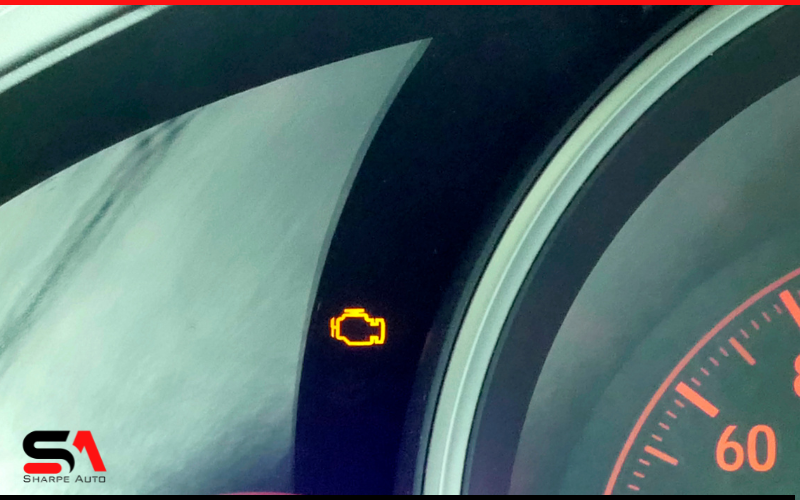
- Oil or check engine light
- Knocking or ticking sounds
- Sluggish acceleration
- Dark, gritty oil
- Burning oil smell
If you notice these, don’t wait. Oil damage compounds fast.
Why Cheap Oil Changes Can Cost You More
Quick-lube shortcuts often mean:
- Low-quality filters
- Incorrect oil weight
- Over- or under-filling
- No inspections
An oil change should protect your engine—not gamble with it.
What a Professional Oil Change Includes at Sharpe Automotive
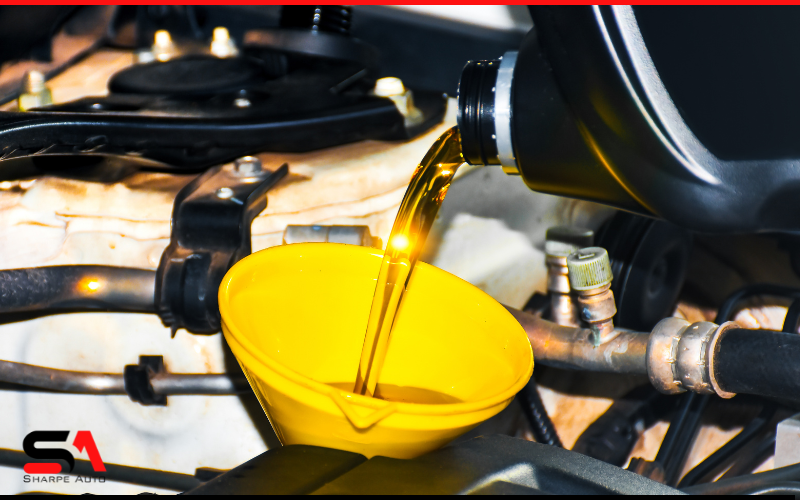
Every oil change at our shop includes:
- Manufacturer-approved oil and premium filters
- Torque-checked drain plugs
- Fluid level checks
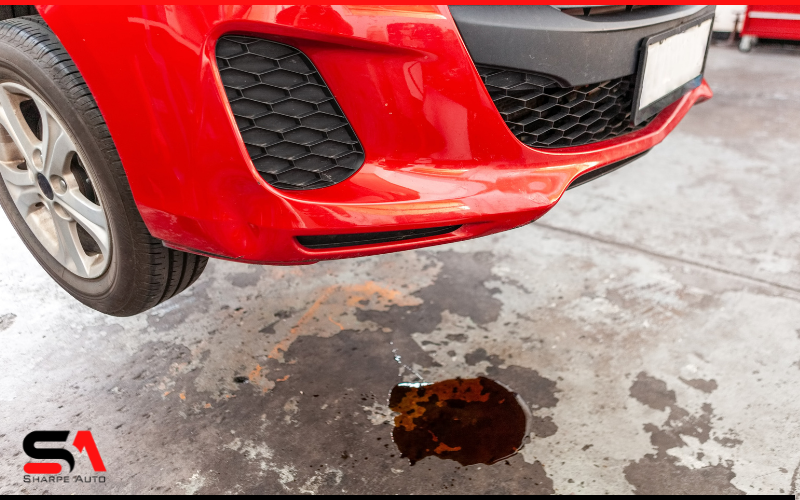
- Visual safety and leak inspection
- Honest recommendations—no pressure
We approach oil changes as preventive maintenance, not a loss leader.
A Note From Me, Dean Sharpe
I’ve had customers come in frustrated after a dealership told them their engine was “just worn out.” After reviewing their service history, the truth was simple: skipped oil changes.
That’s why we educate instead of upsell. When you understand why something matters, you make better decisions for your vehicle.
Certifications, Trust, and Local Experience
At Sharpe Automotive, quality isn’t a slogan—it’s verified. We’re proud to hold certifications from ASE, SEMA, and the BBB, reflecting our commitment to professional standards, continued education, and honest service
We’re a
family-owned
auto repair shop in Santee, and our reputation is built one customer at a time.
When to Book Your Next Oil Change
If you’re unsure, here’s my advice:
- Follow mileage or time—whichever comes first
- Schedule before long road trips
- Don’t ignore warning lights
- Ask questions—we’ll explain everything
Oil changes aren’t glamorous, but they’re powerful. They protect your engine, extend vehicle life, and save you money over time. For Santee drivers, local conditions make proper oil service even more important.
If you want honest advice, professional care, and service done right the first time, we’re here to help.
8517 Ablette Rd, Santee, CA 92071
(619) 456-4880
Mon–Fri | 8:00am–5:00pm
Book an Appointment Today and keep your engine protected.
FAQs
How often should I change my oil in Santee, CA?
Most drivers should service oil every 5,000–7,500 miles depending on oil type and driving habits.
Is synthetic oil better for hot climates?
Yes. Synthetic oil resists heat breakdown far better than conventional oil.
Can I wait for my oil light to come on?
No. Warning lights often indicate oil pressure issues—not routine maintenance timing.
Do older cars need oil changes more often?
Usually yes, especially if they have higher mileage or minor oil consumption.
What happens if I skip oil changes?
Sludge buildup, increased wear, overheating, and potential engine failure.