How to Choose a Reliable Auto Repair Shop: What Drivers Should Look For
Finding the Right Mechanic Is About More Than Price
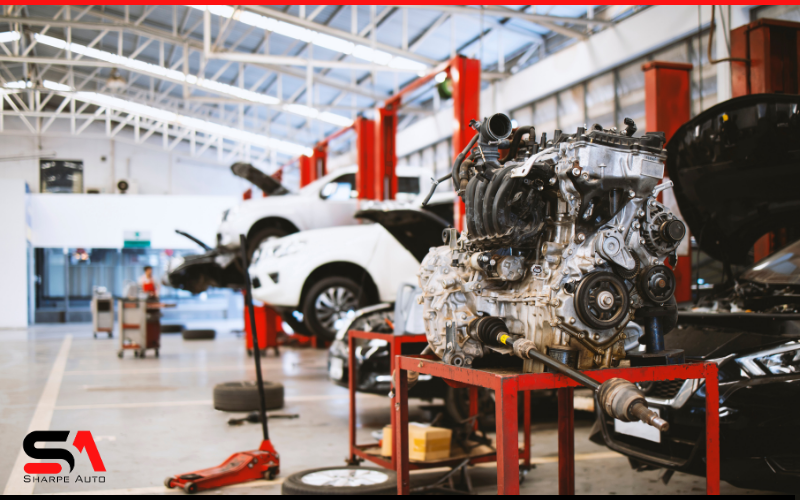
Choosing an auto repair shop can be difficult, especially when you don't know much about what's happening underneath the hood.
Most drivers want the same basic things: a mechanic they can trust, repairs that are done correctly, clear communication, and confidence that they're not being sold work they don't need.
I'm Dean Sharpe, owner of Sharpe Automotive in Santee. Over the years, I've talked with plenty of customers who came to us after frustrating experiences elsewhere. Sometimes they received conflicting recommendations. Other times, a problem was repaired only to return a few weeks later.
A good auto repair shop should make maintaining your vehicle less confusing, not more confusing.
Here are some of the things I recommend looking for when choosing a shop to take care of your vehicle.
1. Look for a Shop That Diagnoses Before Replacing Parts
This is one of the most important differences between a good repair shop and one that can become expensive very quickly.
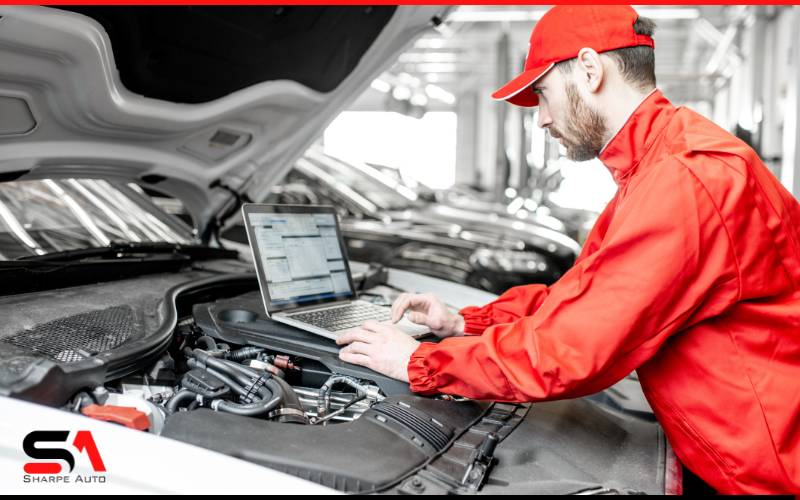
Modern vehicles contain sophisticated computers and sensors. A diagnostic trouble code can point a technician in the right direction, but it doesn't necessarily identify the failed part.
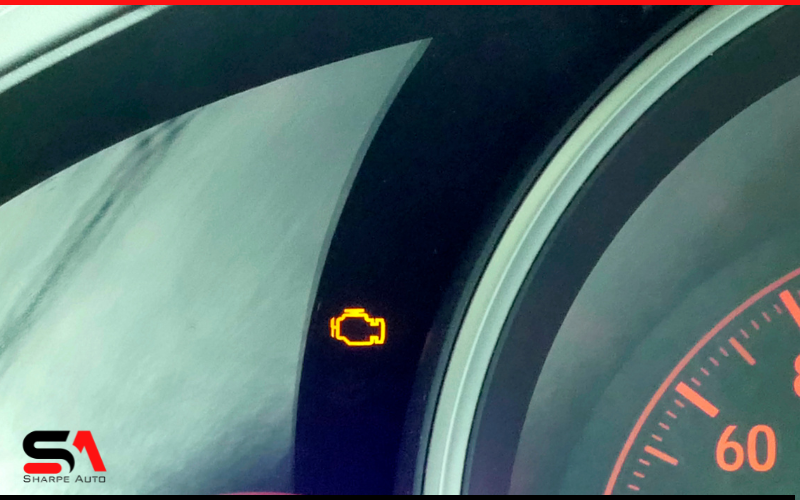
For example, a check engine light might be related to an oxygen sensor reading. That doesn't automatically mean the oxygen sensor itself needs to be replaced.
The underlying problem could involve another component or system.
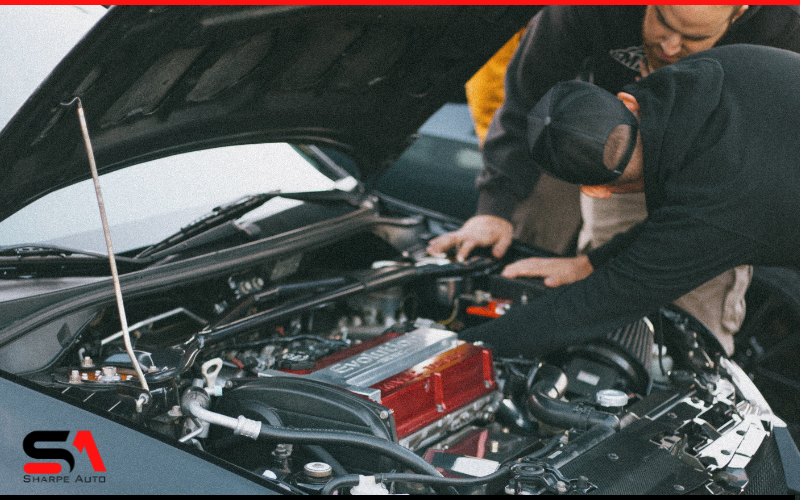
Good technicians test and confirm the cause before recommending repairs.
A proper diagnostic process may include:
- Retrieving diagnostic trouble codes
- Reviewing live vehicle data
- Testing individual components
- Inspecting related systems
- Reproducing the customer's concern
- Confirming the root cause
That's very different from simply replacing whatever part is mentioned in a trouble code.
If your vehicle has a warning light or performance problem, learn more about our vehicle diagnostic services.
2. Choose a Shop That Can Handle More Than Basic Maintenance
Oil changes and brake services are important, but your vehicle contains dozens of interconnected systems.
Ideally, you want a repair shop that can take care of your vehicle throughout its life rather than sending you to a different specialist every time something new develops.
A well-equipped shop should be comfortable handling areas such as:
- Preventative maintenance
- Engine diagnostics
- Brake systems
- Steering and suspension
- Cooling systems
- Electrical problems
- Oil and fluid leaks
- Belts and hoses
- Engine performance problems
- Drivetrain concerns
This becomes particularly valuable as your vehicle gets older.
When the same shop knows your vehicle's history, technicians can identify patterns and help you anticipate future maintenance rather than starting from scratch during every visit.
3. Make Sure They Can Service Your Type of Vehicle
Vehicles have become increasingly specialized.
Different manufacturers use different engines, electronics, diagnostic systems, maintenance procedures, and technologies.
Before choosing a shop, make sure its technicians have the tools, equipment, training, and experience necessary to work on your vehicle.
At Sharpe Automotive, we work on all makes and models, which allows many families to bring multiple vehicles to the same shop rather than finding a different mechanic for each one.
4. Pay Attention to How the Shop Explains Repairs
You shouldn't need to be a mechanic to understand what's wrong with your car.
A good technician or service advisor should be able to explain:
- What was found
- Why it matters
- What needs attention now
- What can safely wait
- What could happen if the repair is postponed
Be cautious when the explanation consists primarily of pressure.
There is a big difference between explaining why a safety-related repair shouldn't wait and making every recommendation sound like an emergency.
Good communication gives you enough information to make an informed decision.
5. Look for a Preventative Approach
The best repair experience isn't necessarily fixing a broken vehicle.
It's preventing the breakdown in the first place.
Routine maintenance gives technicians opportunities to spot developing issues before they become expensive repairs.
For example, an inspection may reveal:
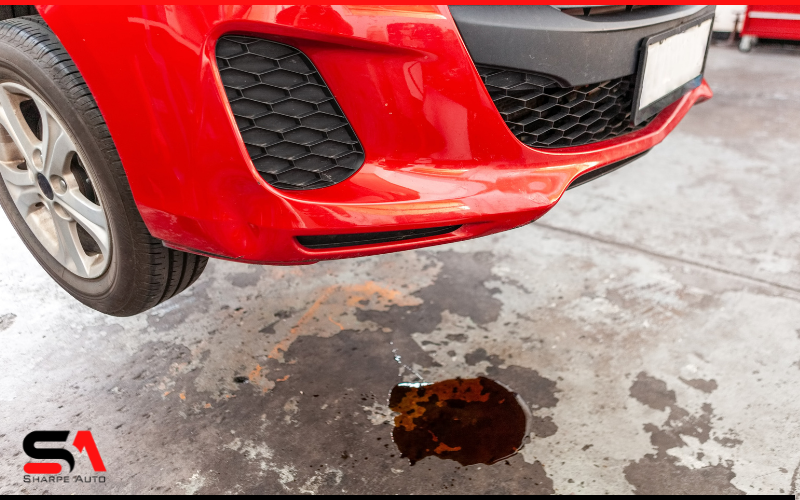
- A small fluid leak
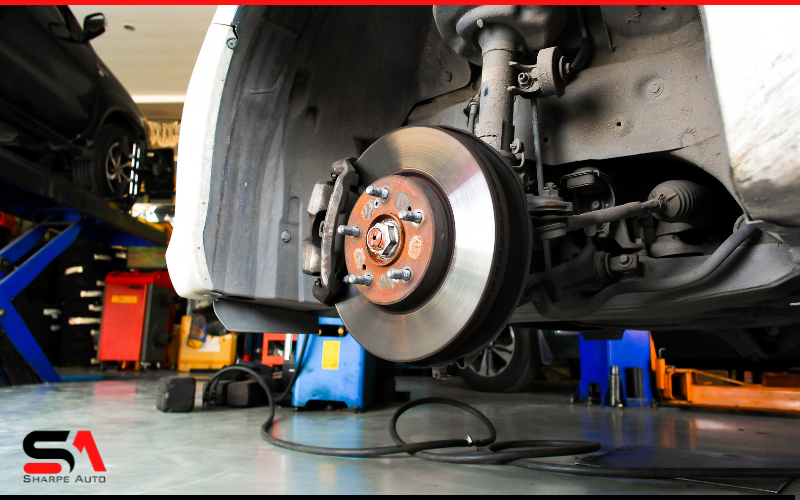
- Worn brake pads
- A deteriorating belt
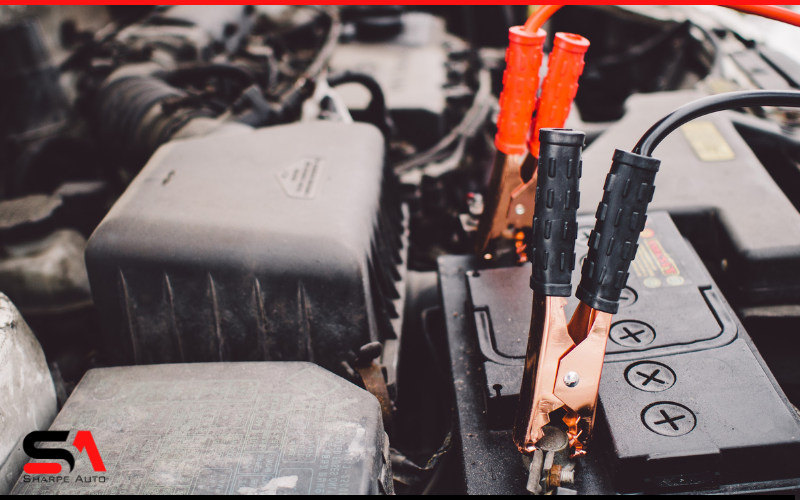
- A weak battery
- Uneven tire wear
- Aging hoses
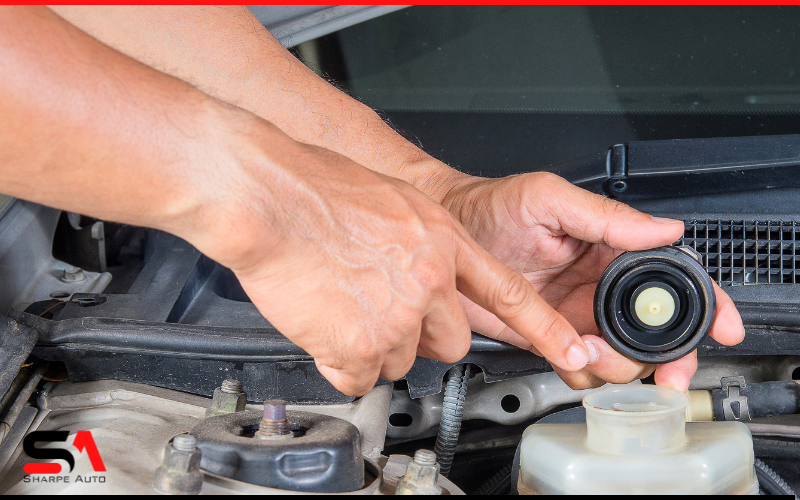
- Low or contaminated fluids
None of these necessarily means your vehicle is about to break down tomorrow.
But identifying them early gives you options.
Instead of dealing with an unexpected repair, you may be able to plan the service around your schedule and budget.
6. Ask Whether They Prioritize Repairs
Not everything a technician finds during an inspection needs to be repaired immediately.
This is something I think customers should understand.
A good shop should help separate recommendations into categories such as:
Needs attention now: Safety concerns or problems that could cause additional damage.
Should be addressed soon: Developing issues that aren't emergencies but shouldn't be forgotten.
Monitor or plan for later: Normal wear or future maintenance that can reasonably wait.
That kind of prioritization helps you maintain your vehicle without feeling like you're being handed an overwhelming repair list every time you visit the shop.
7. Look for Professional Certifications and Training
Automotive technology changes constantly.
Technicians need continuing education to keep up with new engines, electronics, diagnostic systems, hybrids, and other vehicle technologies.
Professional certifications can be a useful indication that a shop takes training seriously.
At Sharpe Automotive, our commitment to professional standards includes industry credentials and affiliations such as ASE, SEMA, and BBB.
Credentials aren't the only reason to choose a shop, but they're one more piece of information you can use when evaluating who will work on your vehicle.
8. Consider the Shop's Approach to Inspections
A quality inspection shouldn't simply produce a list of things someone wants to sell you.
It should give you a better understanding of your vehicle.
Depending on the type of service being performed, an inspection may evaluate areas such as:
- Brakes
- Tires
- Steering
- Suspension
- Battery condition
- Fluid levels
- Belts and hoses
- Visible leaks
When possible, photos and clear explanations can also help you understand exactly what the technician is seeing.
The goal should be transparency.
9. Local Experience Can Make a Difference
Where you drive affects how your vehicle wears.
Here in Santee and East County, we regularly deal with:
- Hot summer temperatures
- Stop-and-go traffic
- Short trips
- Hills
- Towing and hauling
- Long freeway commutes
Heat can be particularly demanding on batteries, cooling systems, engine oil, hoses, and other components.
A mechanic familiar with local driving conditions can take those factors into consideration when discussing maintenance.
That doesn't mean replacing parts unnecessarily. It means understanding how your vehicle is actually being used instead of relying exclusively on a generic maintenance checklist.
10. Find a Shop You Can Build a Relationship With
One of the most overlooked advantages of choosing the right mechanic is continuity.
When the same shop services your vehicle over time, it develops a history.
Technicians can see what has already been repaired, what maintenance has been completed, what was previously recommended, and how different components are wearing.
That history becomes increasingly useful as a vehicle gets older.
Instead of treating every visit as an isolated repair, your mechanic can help you develop a long-term maintenance plan.
The Cheapest Repair Isn't Always the Least Expensive
Price matters. Nobody wants to spend more than necessary on vehicle repairs.
But the lowest initial estimate isn't always the least expensive option over time.
Incorrect diagnoses, low-quality parts, rushed repairs, and repeatedly addressing symptoms instead of the underlying problem can eventually cost much more.
The goal should be value, not simply the lowest number on an estimate.
A repair performed correctly the first time can save you another appointment, additional labor, and the frustration of dealing with the same problem again.
What Questions Should You Ask an Auto Repair Shop?
Before choosing a mechanic, consider asking:
- Do you perform diagnostics in-house?
- Do you work on my make and model?
- Are your technicians professionally trained or certified?
- Will you explain the diagnosis before beginning repairs?
- Can you prioritize recommended repairs?
- Do you provide preventative maintenance?
- Will you keep track of my vehicle's service history?
The answers can tell you quite a bit about how the shop operates.
What I've Learned From Working With Santee Drivers
I've seen plenty of customers come through our doors after spending months trying to solve the same vehicle problem.
One situation I see from time to time is a vehicle that has been taken to several different places. Each shop addresses one symptom, but nobody evaluates the vehicle as a whole.
When we inspect the vehicle, diagnose the underlying concerns, and create a prioritized plan, the customer finally understands what's happening.
And importantly, that doesn't mean everything has to be repaired at once.
Sometimes the most valuable thing a mechanic can provide is simply clarity:
Here's what needs attention today.
Here's what we should keep an eye on.
And here's what you can plan for six months from now.
That's the kind of relationship I believe drivers should have with their repair shop.
Choosing an Auto Repair Shop in Santee
You don't need the fanciest waiting room or the shop with the biggest advertisement.
You need people who know how to diagnose modern vehicles, communicate clearly, stand behind their work, and help you make sensible decisions about maintenance and repairs.
If you're looking for a trusted auto repair shop in Santee, Sharpe Automotive provides diagnostics, preventative maintenance, and complete automotive repair services for drivers throughout Santee and East County.
Our goal is simple: understand the problem, explain your options, and help you keep your vehicle safe and reliable.
Sharpe Automotive
8517 Ablette Rd.
Santee, CA 92071
(619) 456-4880
Monday–Friday: 8:00 AM–5:00 PM
Frequently Asked Questions
What should I look for when choosing an auto repair shop?
Look for experienced technicians, professional diagnostics, clear communication, appropriate certifications, good reviews, and a shop that explains and prioritizes repairs rather than pressuring you into unnecessary work.
How do I know if a mechanic is trustworthy?
A trustworthy mechanic should be willing to explain what was found, why a repair is recommended, how urgent it is, and what could happen if you wait. You should feel informed rather than pressured.
Should an auto repair shop diagnose a problem before replacing parts?
Yes. Diagnostic trouble codes and symptoms can provide clues, but proper testing should be used to determine the underlying cause whenever possible before parts are replaced.
Is it better to use the same mechanic for regular maintenance?
There can be advantages. A shop that maintains your vehicle over time becomes familiar with its repair history, maintenance needs, and developing wear, which can make long-term planning easier.
Should I always choose the cheapest auto repair estimate?
Not necessarily. Price is important, but the quality of the diagnosis, parts, workmanship, warranty, and experience should also be considered. An inexpensive repair that doesn't solve the underlying problem can ultimately cost more.
Why is preventative maintenance important?
Preventative maintenance helps identify worn components, fluid leaks, and other developing problems before they cause breakdowns or more expensive damage.
Where can I find a reliable auto repair shop in Santee?
Sharpe Automotive serves drivers throughout Santee and East County with professional diagnostics, preventative maintenance, and automotive repair for all makes and models.